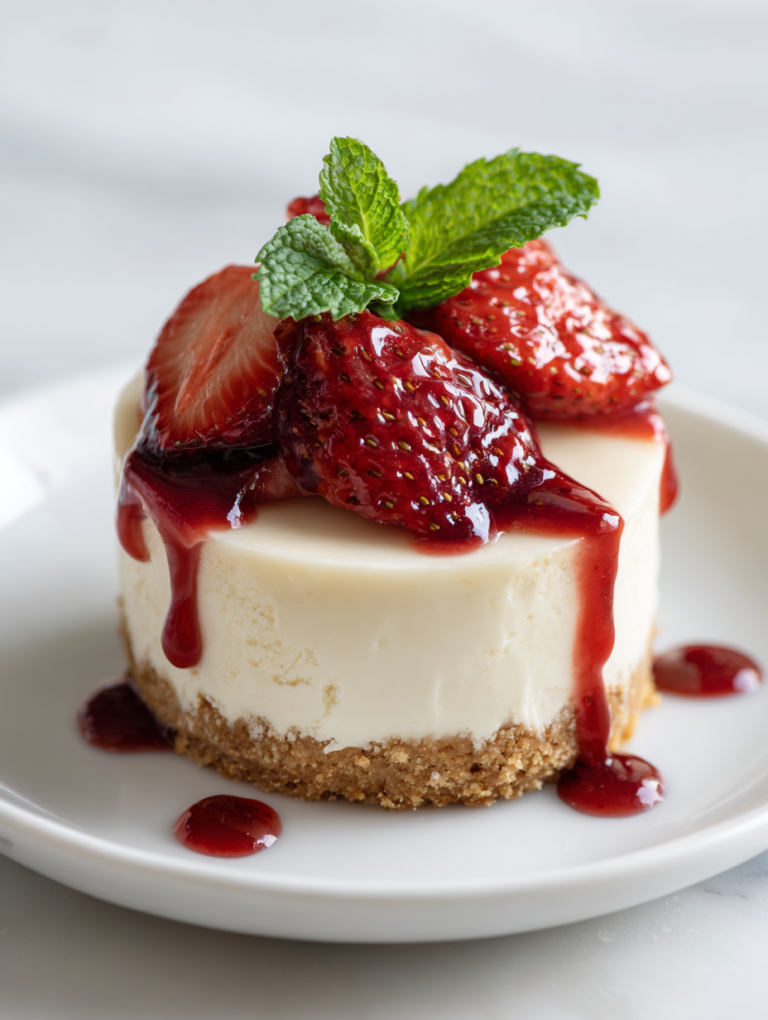
This strawberry buttercream cake started as a simple idea—what if I could marry the bright, tangy punch of fresh strawberries with the creamy richness of buttercream? It’s one of those experiments that felt a little risky at first, but the moment the first batch of vibrant pink frosting came together, I knew I was onto something special. It’s a cake that celebrates summer’s fleeting bursts of flavor, even when the season is long gone.
Baking it feels like a small act of rebellion against the usual. I love how the ripe strawberries lend a natural sweetness and a slight tartness that balances the buttery frosting perfectly. It’s not the prettiest cake out there, but it’s honest—layers of moist sponge topped with a swirl of that lively, fruity buttercream. Every bite takes me back to lazy weekends and the smell of berries in the sun.
Focusing on the unexpected harmony of tangy strawberry and rich buttercream, this cake is my go-to for nostalgic birthdays that crave a fresh twist. The process of turning ripe strawberries into a vibrant, almost jewel-like frosting feels like capturing summer in a jar, even on the grayest days. It’s a celebration of simple ingredients transformed into something that feels both familiar and utterly new.
The story behind this recipe
- This recipe came from a summer spent chasing the perfect balance of freshness and decadence. I wanted a cake that felt like a slice of late-season sunshine, with bright berries and a whisper of sweetness that wasn’t overly sugary. It’s a reminder that simple ingredients—ripe strawberries and good butter—can come together to create something surprisingly elegant and comforting at the same time.
- The idea was also born out of a need for a dessert that could handle a bit of chaos—rushing around the kitchen, adjusting as I went, tasting and tweaking. I love how the strawberry flavor intensifies with just a bit of heat, and how the buttercream becomes a silky canvas for that fruit brightness. It’s a cake that feels like a little celebration, even on the busiest days.
- heading
- story_type
Key ingredients and tips
- Strawberries: I love using ripe, fragrant berries that are just starting to soften. Their juicy, tangy bite really brightens the frosting. If yours are a bit bland, add a splash of lemon juice to wake them up.
- Unsalted butter: I prefer European-style butter for its rich, almost nutty flavor. Make sure it’s softened but not melted, so it creams smoothly into the sugar. For a slightly lighter frosting, try a butter blend with a splash of cream cheese.
- Powdered sugar: I sift mine well to avoid lumps and get that silky texture. If you want less sweetness, cut back on the sugar by a couple of tablespoons but expect a slightly less firm frosting.
- Heavy cream: I keep it chilled until ready to whip into the buttercream. If you want a fluffier texture, beat it a little longer until soft peaks form—just be careful not to overwhip and turn it buttery.
- Lemon juice: I use just a teaspoon to enhance the strawberry flavor without adding too much tartness. For a more pronounced zing, increase slightly, but watch for the frosting to thin out.
- Vanilla extract: I add a splash to deepen the overall flavor. If you’re out, a tiny bit of almond extract can add a subtle layer of complexity, just don’t go overboard.
- Food coloring (optional): I prefer a natural pink hue—beet juice works beautifully if you want to skip artificial dyes. Just add a tiny drop and stir until the color is even, avoiding clumps.
Spotlight on key ingredients
Strawberries:
- I love using ripe, fragrant berries that are just starting to soften. Their juicy, tangy bite really brightens the frosting. If yours are a bit bland, add a splash of lemon juice to wake them up.
- Their vibrant, oozy texture during blending adds a lively punch of flavor. Watching the color deepen as they cook down is like capturing summer in a jar.
Unsalted butter:
- I prefer European-style butter for its rich, almost nutty flavor. Make sure it’s softened but not melted, so it creams smoothly into the sugar. For a slightly lighter frosting, try a butter blend with a splash of cream cheese.
- When creamed properly, it should be fluffy and pale, almost like whipped cream. It’s the backbone of that silky, smooth buttercream texture.
Notes for ingredient swaps
- Dairy-Free: Swap butter for coconut oil or vegan butter. Expect a slightly different richness, but still creamy.
- Sugar Alternatives: Use honey or maple syrup instead of powdered sugar. Be aware these can alter texture and sweetness.
- Gluten-Free: Replace all-purpose flour with almond or rice flour. The cake may be denser, so extra leavening might help.
- Low-Acidity Strawberries: For less tang, add a pinch of sugar to strawberries before blending. Brightness might lessen slightly.
- Cream Cheese Frosting: Substitute half of the butter with softened cream cheese for tangy richness. It softens the buttercream slightly.
- Lemon Juice: Use lime or orange juice for a different citrus note. Adjust sweetness if needed to balance acidity.
- Food Coloring: Natural options like beet juice work beautifully for a vibrant pink without artificial dyes.
Equipment & Tools
- Cake pans: Shape and bake the sponge layers.
- Mixing bowls: Combine ingredients.
- Spatula: Fold ingredients and smooth surfaces.
- Stand mixer or whisk: Cream butter and beat frosting.
- Strainer or sieve: Refine strawberry puree for smoothness.
- Cooling rack: Cool cakes evenly.
- Parchment paper: Prevent sticking and make removal easier.
Step-by-step guide to Strawberry Buttercream Cake
- Gather your equipment: two 23cm (9-inch) round cake pans, mixing bowls, spatula, stand mixer or hand whisk, and a fine sieve for strawberries.
- Preheat your oven to 180°C (350°F). Grease the cake pans and line the bottoms with parchment paper.
- Make the sponge: In a large bowl, whisk together 200g (1 cup) of all-purpose flour, 200g (1 cup) of sugar, 1 tsp baking powder, and a pinch of salt.
- In another bowl, beat 3 large eggs, 60ml (1/4 cup) vegetable oil, 1 tsp vanilla extract, and 120ml (1/2 cup) buttermilk until combined.
- Gradually add the wet ingredients to the dry, mixing gently but thoroughly. Divide batter evenly between pans.
- Bake for 25-30 minutes, until the cakes are golden and a skewer inserted in the center comes out clean. Cool in pans for 10 minutes, then transfer to a wire rack.
- Prepare the strawberry puree: Hull 250g (about 1 cup) of ripe strawberries, then blend until smooth. Pass through a sieve to remove seeds. Set aside.
- Make the buttercream: In a stand mixer, beat 250g (1 cup) softened unsalted butter until fluffy, about 3 minutes. Gradually add 200g (1 1/2 cups) powdered sugar, beating well.
- Add 2-3 tbsp of strawberry puree to the buttercream, along with 1 tsp lemon juice and a splash of vanilla. Mix until smooth and vibrant pink.
- Taste and adjust: if too tangy, add a touch more powdered sugar; if too loose, refrigerate briefly to firm up.
- Assemble the cake: Place one sponge layer on a serving plate. Spread a thin layer of strawberry buttercream. Top with the second layer and cover the top and sides with remaining buttercream.
- Decorate as desired—fresh strawberries, a sprig of mint, or a drizzle of melted white chocolate work well.
- Rest the assembled cake in the fridge for at least 30 minutes to set the frosting and meld flavors.
Let the assembled cake rest in the fridge for at least 30 minutes before slicing. This helps the buttercream set and flavors meld. Serve slightly chilled or at room temperature for the best texture and flavor.
How to Know It’s Done
- Cake layers are golden and spring back when pressed lightly.
- Strawberry puree is vibrant, fragrant, and seedless after sieving.
- Buttercream holds a firm but creamy consistency, not melting or separating.

Strawberry Buttercream Cake
Ingredients
Equipment
Method
- Preheat your oven to 180°C (350°F). Grease two 23cm (9-inch) round cake pans and line the bottoms with parchment paper. Gather your ingredients so they're ready to go.
- In a large mixing bowl, whisk together the flour, sugar, baking powder, and a pinch of salt until well combined. This creates a light, even dry mixture for your sponge.
- In another bowl, beat the eggs, vegetable oil, vanilla extract, and buttermilk until smooth and slightly frothy, about 2 minutes. This forms a rich, fragrant wet mixture.
- Pour the wet mixture into the dry ingredients and gently fold until just combined. Be careful not to overmix; the batter should be smooth and slightly elastic.
- Divide the batter evenly between the prepared pans and smooth the tops with a spatula. Tap the pans lightly on the counter to remove air bubbles.
- Bake in the preheated oven for 25-30 minutes, until the cakes are golden and a skewer inserted in the center comes out clean. Cool the cakes in their pans for 10 minutes, then transfer to a wire rack.
- While the cakes cool, hull the strawberries and blend them until smooth. Pass the puree through a fine sieve to remove seeds, resulting in a silky, vibrant red liquid.
- In a stand mixer or with a hand whisk, beat the softened butter until fluffy and pale, about 3 minutes. Gradually add the sifted powdered sugar, beating after each addition until fully incorporated and smooth.
- Add 2-3 tablespoons of strawberry puree, a teaspoon of lemon juice, and vanilla extract to the butter mixture. Beat again until the frosting is vibrant pink, smooth, and creamy.
- Place one cake layer on a serving plate. Spread a thin layer of strawberry buttercream on top. Place the second layer over it and apply the remaining frosting evenly over the top and sides of the cake.
- Decorate with fresh strawberries or other toppings as desired. Chill the cake in the fridge for at least 30 minutes to set the frosting before slicing and serving.
Tips & Tricks for Perfect Frosting
- Use very cold butter to get a silky, smooth buttercream that’s easy to spread.
- When blending strawberries, pause occasionally to scrape down the sides for even color and flavor.
- Sift powdered sugar thoroughly to avoid lumps in your frosting—no one likes grainy bites.
- Add strawberry puree gradually—taste as you go to avoid overpowering the buttercream’s richness.
- For a vibrant pink, add food coloring last, then fold gently to prevent deflating the buttercream’s volume.
- Chill the cake layers before frosting—firm layers make for cleaner, neater decoration.
- If your buttercream feels too soft, refrigerate for 10-15 minutes before spreading—keeps it tidy.
Common mistakes and how to fix them
- FORGOT to check cake doneness → Insert a skewer; it should come out clean.
- DUMPED too much strawberry puree → Use half the amount for a balanced flavor.
- OVER-TORCHED the buttercream → Keep an eye to avoid browning; remove from heat early.
- MISSED to sift powdered sugar → Sift to prevent lumps and ensure smooth frosting.
Quick Fixes and Pantry Swaps
- When strawberries look dull, splash with lemon juice to brighten their hue and flavor.
- If buttercream cracks, patch with a teaspoon of milk or cream and beat until smooth.
- Splash a little vanilla extract into your frosting for a quick flavor boost when bland.
- Patch over minor tears in cake layers with frosting to hide imperfections.
- Shield cake edges from over-browning by tenting with foil if the top starts to shimmer too much.
Prep, store, and reheat tips
- Prepare the strawberry puree and make the buttercream up to a day in advance. Keep both refrigerated in airtight containers; the puree should be vibrant and fragrant, while the buttercream should be firm and creamy to the touch.
- Bake the cake layers ahead of time and store them wrapped tightly in plastic wrap at room temperature for up to 24 hours, or freeze for up to 2 months. Defrost at room temp and gently rewrap before decorating.
- Assemble the cake the day before serving to allow flavors to meld. Keep refrigerated, but remove about 30 minutes before slicing for a softer texture and better flavor release.
- Reheat sliced cake gently in a low oven (about 150°C/300°F) for 5-8 minutes if you prefer it slightly warmer. The fruity buttercream stays luscious and smooth when served slightly chilled or at room temp.
Top questions about Strawberry Buttercream Cake
1. Can I use frozen strawberries?
Use ripe, fragrant strawberries for the best flavor and vibrant color. If your strawberries are bland, add a splash of lemon juice to brighten them up.
2. Can I freeze the cake?
Yes, thaw and drain excess liquid well before blending. Frozen strawberries might make the frosting slightly looser, so adjust with more powdered sugar if needed.
3. How long does it last in the fridge?
Yes, wrap the cake tightly and freeze for up to 2 months. Thaw in the fridge overnight, then bring to room temp before serving.
4. Can I prepare the frosting ahead of time?
Store the unassembled cake in an airtight container in the fridge for up to 24 hours. Keep the frosting covered separately if already made.
5. Why is my buttercream grainy?
To get a smooth buttercream, make sure your butter is softened but not melted. Beat it until fluffy and pale before adding sugar.
6. My frosting is too soft to spread
If the buttercream is too soft, refrigerate for 10-15 minutes before spreading. If it’s too stiff, beat in a tiny splash of milk or cream.
7. Can I make the frosting color natural?
Use natural beet juice or pink food coloring for a vibrant hue. Add it gradually to control the shade without overdoing it.
8. Can I make the frosting less tangy?
Yes, for a lighter, less tangy frosting, reduce the strawberry puree or add a bit more sugar to balance the acidity.
9. How do I prevent the cake from sliding?
Ensure the sponge layers are cool before frosting to prevent melting or sliding. Chill the layers if they’re warm.
10. Can I assemble the cake in advance?
Yes, you can assemble the cake a day ahead and refrigerate. Let it sit at room temperature for 30 minutes before slicing for best flavor and texture.
This cake isn’t just about the strawberries and buttercream; it’s about the little moments of messy joy in the kitchen. The aroma of ripe berries, the gentle hum of the mixer—these are the true rewards. It’s a simple reminder that good baking comes from honest effort and a bit of patience.
In the end, it’s the imperfect, spontaneous touches that make this cake feel real. Whether shared with loved ones or enjoyed in quiet solitude, it’s a sweet, tangible piece of summer’s fleeting brightness—something to hold onto, even when the season has moved on.