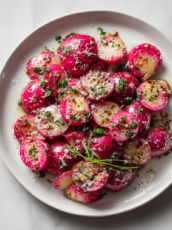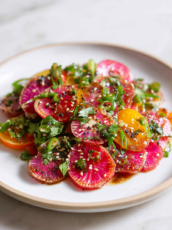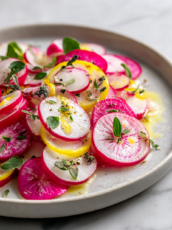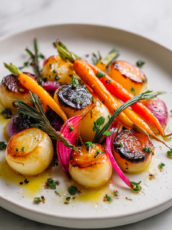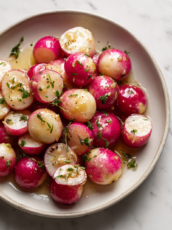
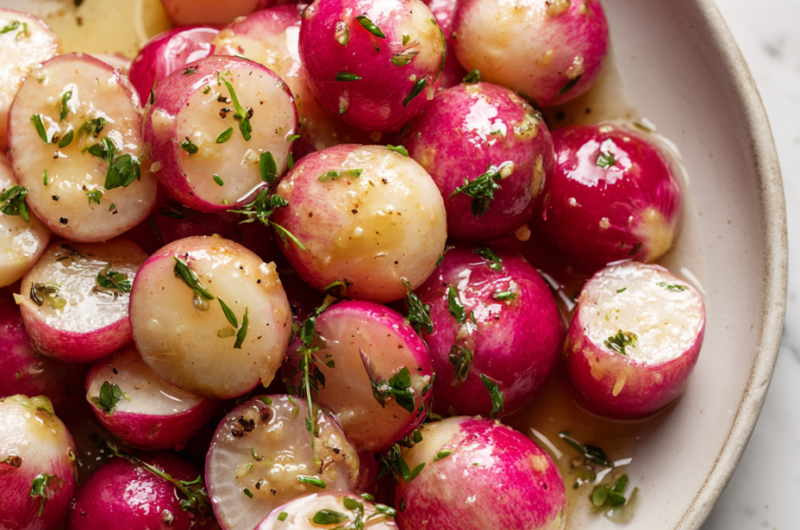
Radishes are often dismissed as just a crunchy, raw snack, but they have this quiet potential when cooked that’s worth exploring. Sautéing them in butter transforms that sharp, peppery bite into something mellow and almost sweet, like they’re shedding their edgy exterior. It’s a simple swap—heat and butter—that makes humble radishes feel indulgent and comforting, even if you’ve never thought of them that way before.
I started playing around with radishes as a side dish after I bought a bunch at the market and realized I wasn’t keen on eating them raw every single time. Cooking them brought out a different side—more nuanced, richer, with a slight caramelization that makes the whole kitchen smell like toasted butter and fresh radish. It feels like rediscovering a forgotten vegetable, and suddenly, radishes become the star of a quick, honest dish.
This recipe highlights how humble radishes can be transformed into a rich, buttery side, challenging the idea that they are only for salads or raw snacks. It’s about embracing their peppery bite and turning that sharpness into a mellow, sweet note through simple heat and butter.
The story behind this recipe
- I first stumbled on sautéed radishes during a frantic early morning market run. The vendor handed me a bunch, and I almost laughed—radishes? Cooked? But I was curious enough to toss them into a pan with butter. The transformation was quiet but profound—peppery crunch giving way to tender, buttery sweetness that made me rethink what these little roots could do.
- Years later, I still keep a bag in the fridge, especially when I want something simple and honest. It’s a dish that reminds me that even the most unassuming ingredients can surprise you, especially when they’re treated with patience and a bit of butter.
- heading: The story behind this recipe
Ingredient breakdown: key components
- Radishes: I love the crunch and peppery kick they bring, but for a softer, sweeter bite, try slicing them thinner so they cook through faster and develop a tender, almost caramelized exterior.
- Butter: It’s the backbone here—rich, nutty, and lush. If you want a dairy-free version, try coconut oil for a subtle sweetness, but remember it won’t have that classic butter aroma or melt-in-your-mouth feel.
- Salt: I prefer finishing with flaky sea salt for a burst of briny contrast, but if you’re aiming for a milder dish, reduce the salt slightly or use a seasoned salt blend for extra flavor.
- Black Pepper: Freshly cracked pepper adds a sharp bite—don’t skip it. For a smoky twist, sprinkle with a tiny pinch of smoked paprika after cooking, which makes the radishes pop with depth and warmth.
- Optional Vinegar: A splash of apple cider vinegar brightens the dish, highlighting the radish’s natural sharpness. If you’re avoiding acidity, skip it, but I find it balances the richness of the butter beautifully.
- Herbs (like parsley or chives): Fresh herbs add a grassy freshness that cuts through the butter’s richness. For a different vibe, try a sprinkle of chopped dill or tarragon for a slightly anise-y note.
Spotlight on key ingredients
Radishes:
- I love their crisp, peppery punch, but slicing thin helps them soften and develop a subtle sweetness as they cook.
- Butter: It’s what gives the dish its richness and sheen. If avoiding dairy, coconut oil adds a faintly sweet, tropical note that still melts beautifully.
Butter:
- Its nutty aroma and creamy texture are essential here. Use good-quality butter for the best flavor and a luscious finish.
- Salt: Flaky sea salt enhances the natural sharpness of radishes, but a seasoned salt blend can add extra depth without extra effort.
Notes for ingredient swaps
- Dairy-Free: Swap butter for coconut oil or vegan butter. It won’t have quite the same richness, but it’ll still add a nice sheen and subtle sweetness.
- Salt: Use sea salt or flaky salt for a crunchier texture and more pronounced brininess. Reducing salt slightly will keep the dish balanced if using seasoned salts.
- Pepper: Freshly cracked black pepper is best, but smoked paprika can add a warm, smoky depth if you want a different flavor profile.
- Vinegar: Apple cider vinegar brightens things up; in a pinch, a splash of lemon juice works for a fresh zing without acidity.
- Herbs: Parsley, chives, or tarragon all work well. Fresh herbs add brightness, but dried herbs can be used sparingly if fresh isn’t available.
- Radishes: If radishes are out of season, thinly sliced turnips or kohlrabi can mimic their texture and mild pepperiness.
Equipment & Tools
- Medium skillet: Provides even heat for sautéing
- Spatula: For stirring and turning radishes
- Knife: To slice radishes evenly
Step-by-step guide to sautéed radishes
- Gather your equipment: a medium skillet, a spatula, and a knife. The skillet is for even heat, the spatula for flipping, and the knife for slicing.
- Wash the radishes thoroughly under cold water. Trim off the green tops if still attached, and slice them in half or quarters depending on size. Aim for even slices to cook uniformly.
- Heat the skillet over medium heat (about 160°C/320°F). Add a generous knob of butter—around 2 tablespoons. Let it melt and foam, but don’t let it brown too much.
- Add the sliced radishes to the skillet in a single layer. Cook undisturbed for about 3 minutes, until the bottoms start to turn golden and slightly crispy.
- Stir the radishes gently with the spatula. Cook for another 4-5 minutes, stirring occasionally. They should soften, and the edges will caramelize slightly. If they start to stick, add a tiny splash of water or more butter.
- Taste a piece—if tender with a slight snap, they’re ready. If you want more caramelization, cook a minute or two longer, watching to prevent burning.
- Finish with a pinch of flaky sea salt and freshly cracked black pepper. Toss to coat evenly. For a bright note, splash a teaspoon of apple cider vinegar, if desired.
- Remove from heat and let sit for 1 minute. Transfer to a serving dish, garnish with chopped herbs if you like, and serve hot.
Let the radishes rest for a minute to settle their flavors. Serve immediately, garnished with herbs if desired, for the best texture and warmth.
How to Know It’s Done
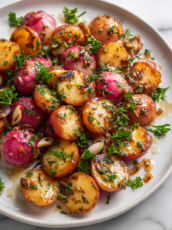
- Radishes are tender but still have a slight snap when pressed.
- Edges are golden and slightly caramelized, not burnt.
- Butter is infused into the radishes, giving a glistening, rich appearance.
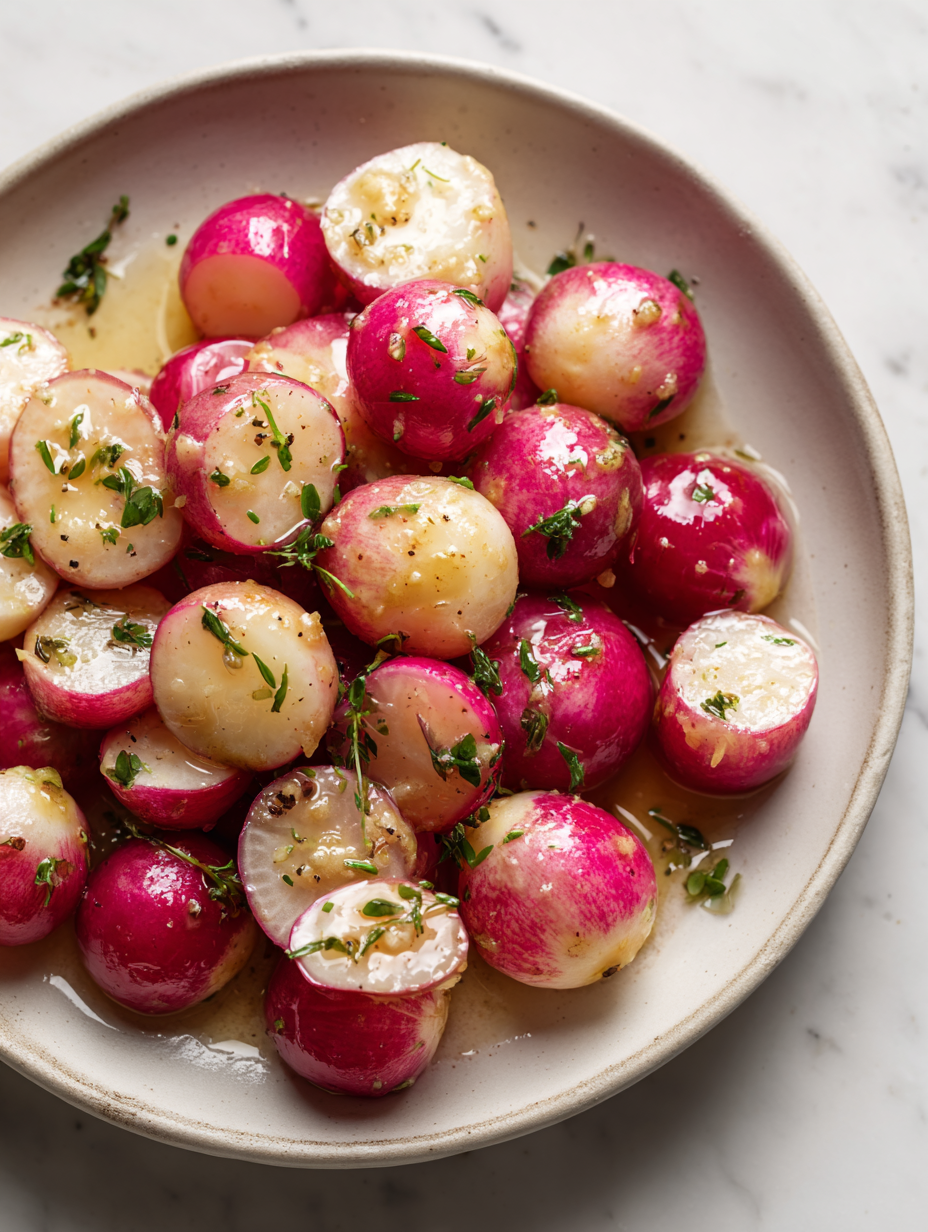
Sautéed Radishes with Butter
Ingredients
Equipment
Method
- Start by washing the radishes thoroughly and trimming off the greens if attached. Slice the radishes evenly into halves or quarters, aiming for uniform thickness for even cooking.
- Heat a medium skillet over medium heat and add the butter, letting it melt and foam gently, filling your kitchen with a warm, nutty aroma.
- Add the sliced radishes in a single layer to the skillet, pressing them gently into the butter. Let them cook undisturbed for about 3 minutes, until their bottoms turn golden and crispy.
- Stir the radishes carefully with a spatula, ensuring they are coated in butter and cook evenly. Continue cooking for another 4-5 minutes, stirring occasionally, until they soften and their edges caramelize slightly.
- Take a small taste to check tenderness; the radishes should be tender with a slight snap, and the edges should be beautifully golden.
- Sprinkle with flaky sea salt and freshly cracked black pepper, tossing gently to distribute evenly. If desired, splash a teaspoon of apple cider vinegar for a bright, tangy finish.
- Remove the skillet from heat and let the radishes rest for a minute, allowing their flavors to settle and intensify.
- Transfer the radishes to a serving dish, garnish with chopped fresh herbs for a burst of color and freshness, and serve immediately while warm.
Notes
Pro tips for perfect sautéed radishes
- Use a hot pan to sizzle the radishes quickly, sealing in their natural juices.
- Slice radishes uniformly thin for even cooking and a tender, melt-in-your-mouth texture.
- Add butter in stages—let it melt and foam before tossing in radishes for a rich coating.
- Cook until edges are golden and slightly caramelized—this adds depth and sweetness.
- Finish with a splash of vinegar or a pinch of salt to brighten and balance the dish.
- Keep an eye on the heat—medium (160°C/320°F) prevents burning and promotes even browning.
- Rest briefly after cooking to allow flavors to settle and enhance overall richness.
Common mistakes and how to fix them
- FORGOT to dry radishes thoroughly → They steam instead of brown if wet.
- DUMPED too much butter at once → Add butter gradually for better control and flavor.
- OVER-TORCHED butter → Reduce heat if butter begins to burn or smell acrid.
- SKIPPED seasoning at the end → Always taste and adjust salt and pepper before serving.
Quick fixes for sautéed radishes
- When radishes release too much water → Splash a little extra butter to revive crispness.
- If radishes stick or burn → DUMP a splash of water or broth and turn heat down.
- When butter smokes loudly → Shield with a lid or reduce heat immediately.
- If radishes are too sharp or raw → Splash a tiny bit of vinegar or lemon juice for brightness.
- When radishes are undercooked → Patch with a quick cover and cook a minute longer, then test tenderness.
Prep, store, and reheat tips
- Radishes can be sliced and prepped a day ahead; keep them in an airtight container in the fridge. They stay crisp and fresh, with a slight peppery snap.
- Store cooked radishes in an airtight container in the fridge for up to 2 days. Reheat gently in a hot skillet, watching for the butter to shimmer and radishes to rewarm evenly.
- For longer storage, sautéed radishes freeze well for about a month. Thaw in the fridge overnight and reheat in a hot pan until warmed through, with a few crackles of butter.
- Reheating will soften the radishes further and mellow their bite. Expect a more tender texture and a richer, butter-infused aroma. Add a splash of water or butter if needed to revive moisture.
- The flavors deepen over time, becoming more savory and mellow. Best enjoyed within 24 hours for optimal texture and brightness, but still good up to 48 hours.
FAQs about Sautéed Radishes With Butter
1. How do I choose the best radishes?
Look for radishes that are firm, smooth, and brightly colored. Avoid those with soft spots or blemishes.
2. Can I substitute butter with oil?
Yes, you can use olive oil instead of butter, but it will lack the richness and depth butter provides.
3. What does cooking radishes do to their flavor?
Cooking radishes reduces their sharpness, making them milder and slightly sweet with tender, caramelized edges.
4. Should I slice radishes thick or thin?
Slice radishes thinly for quicker cooking and a tender bite, or thicker for more crunch and distinct texture.
5. What temperature should I cook radishes at?
Use a medium heat (around 160°C/320°F) to prevent burning while allowing for caramelization and softening.
6. Can I add vinegar or lemon during cooking?
Yes, adding a splash of vinegar or lemon juice brightens the flavor and balances the richness of the butter.
7. How long can I store sautéed radishes?
Radishes are best enjoyed fresh, but refrigerated cooked radishes can last up to 2 days in an airtight container.
8. How do I reheat sautéed radishes?
Reheat gently in a hot skillet until warmed through, about 2–3 minutes, until they shimmer and release a nutty aroma.
9. What if my radishes release too much water?
If radishes release too much water, increase heat slightly and cook until the excess evaporates, restoring crispness.
10. How can I get the most flavor from radishes?
Growing radishes in well-drained soil and harvesting them young ensures the best flavor and crisp texture.
Sautéed radishes with butter might seem simple, but their transformation from raw crunch to tender, buttery sweetness is truly satisfying. This dish is a reminder that humble ingredients can surprise us when treated with patience and a little heat. It’s perfect for those times you want something honest, quick, and deeply comforting.
In the end, this recipe is about embracing the radish’s natural bite while adding a layer of richness that makes every bite feel a little indulgent. It’s a small, honest pleasure—something that feels both nostalgic and refreshingly straightforward, especially as the seasons shift and green markets overflow with fresh radishes.

Hello, I’m Oliver James, the person behind Melting Into Flavors. Cooking is my greatest passion, and it’s been the driving force in my life for as long as I can remember.
It’s not just about food for me; it’s about creating experiences, connecting with others, and sharing the love I have for what’s on the plate. Through this blog and my café, I’m able to share my journey with all of you and hopefully inspire some of your own culinary adventures along the way.