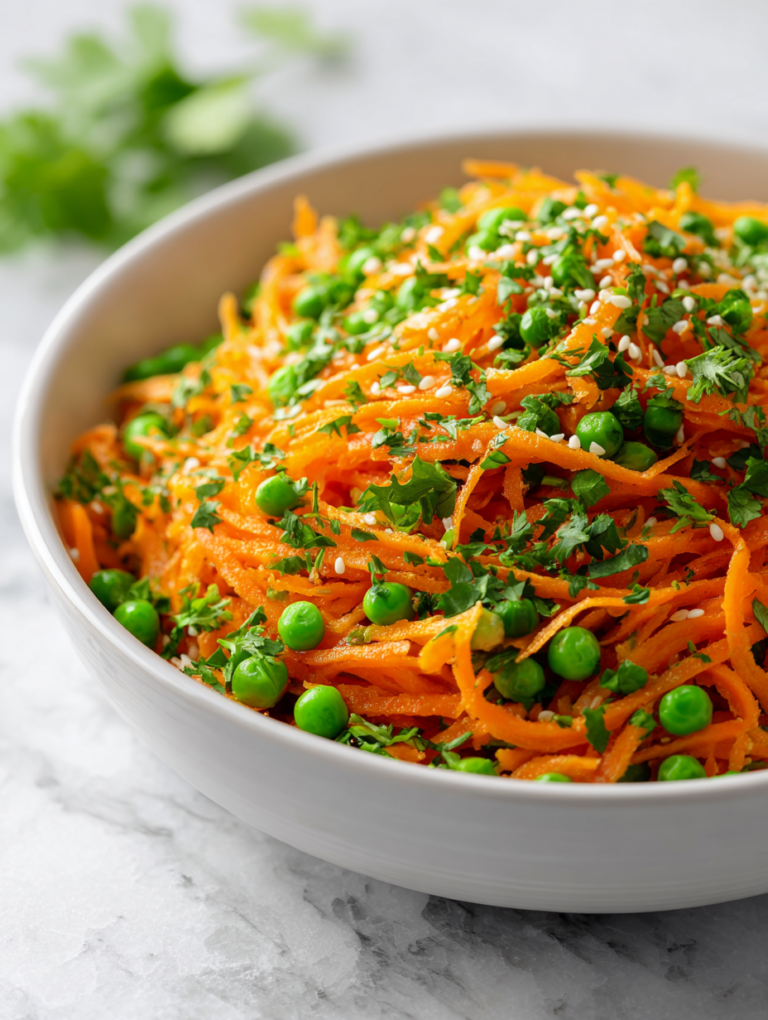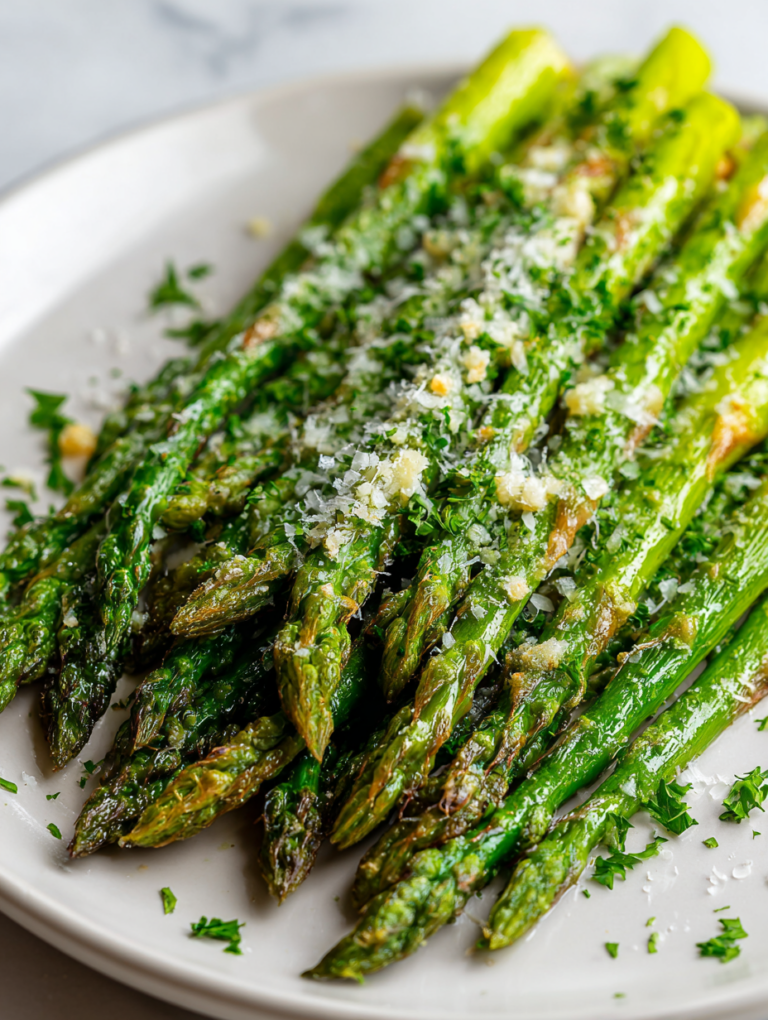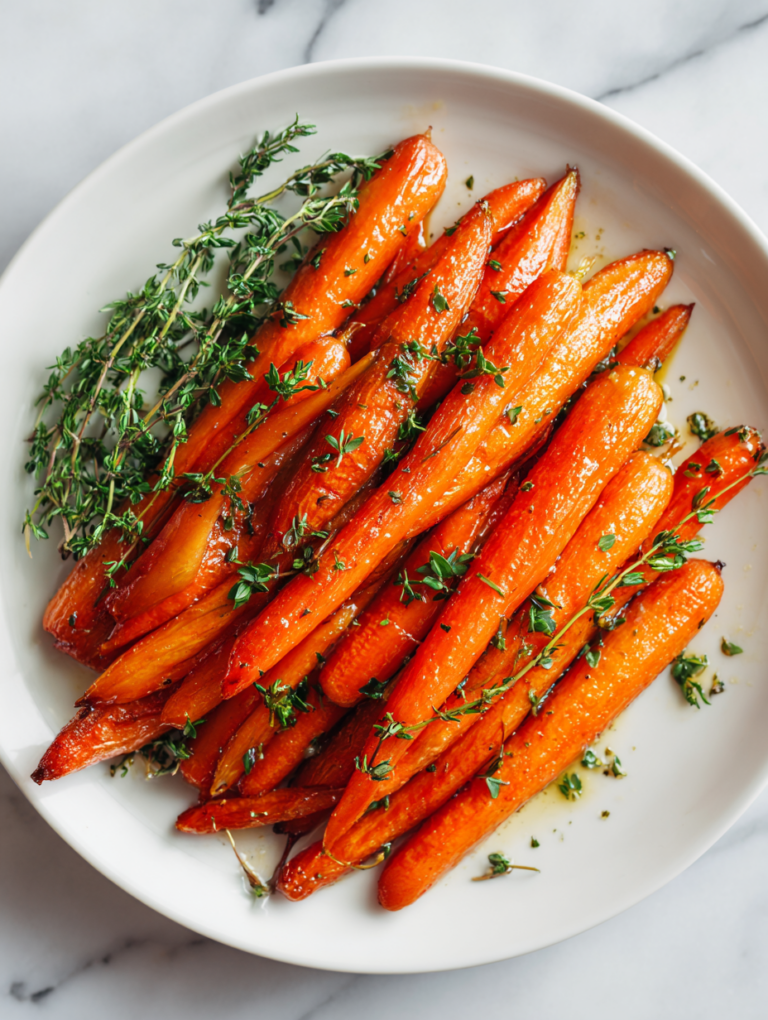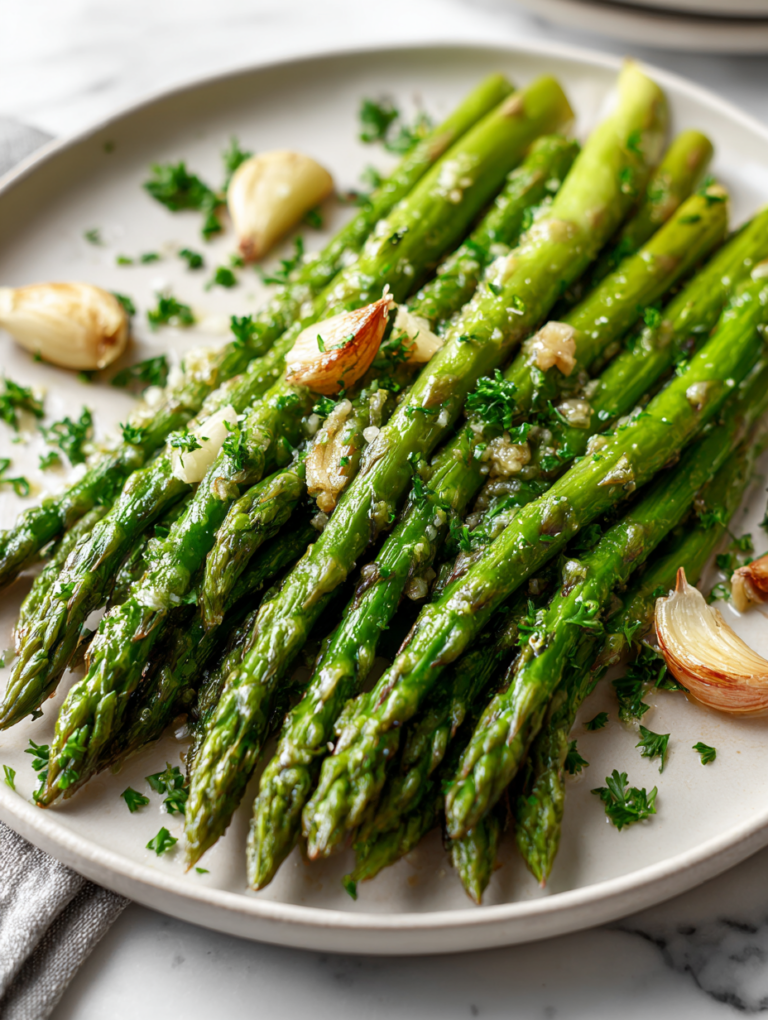
Roasting vegetables is like giving them a slow, smoky bath that brings out their deepest, sweetest flavors. Carrots and asparagus, while simple, become something altogether richer and more complex once they hit the oven’s heat. It’s a humble process, but the transformation is often surprising, almost like magic in your own kitchen.
What I love about this combo is how the caramelized edges contrast with the vibrant, fresh bite of the vegetables. A splash of lemon or vinegar at the end lifts the whole dish, brightening those smoky, tender bites. It’s a method I turn to when I want a side that’s easy, honest, and somehow feels a little elevated without much fuss.
This recipe is a reminder that the best flavors often come from just a few good ingredients and a bit of patience. It’s a go-to for busy nights, yet it always feels like a treat—a small act of roasting that turns everyday veg into something memorable. No fancy tricks, just honest, caramelized goodness.
Focusing on how roasting transforms humble vegetables into a caramelized, smoky side that pairs perfectly with almost anything, especially when you add a splash of something bright and acidic at the end.
The story behind this recipe
- This recipe started from a simple craving for something roasted, but with a twist of familiarity that sparks childhood memories of Sunday dinners. I remember my grandma’s kitchen, the smell of roasted veggies mingling with hints of thyme and garlic, the kind of warmth that lingers long after the oven’s off. I wanted that feeling, but with a modern, straightforward approach that fits into busy weeknights.
- Sometimes, I just need a reminder that good food doesn’t have to be complicated. Roasting carrots and asparagus together hits that sweet spot—familiar yet slightly elevated. It’s a dish that feels honest, almost like a quiet nod to home, but with a little extra smoky depth that keeps it interesting.
- heading: ‘The story behind this recipe’
Key ingredients and tips
- Carrots: I prefer the orange ones for their sweetness and vibrant color, but purple carrots add a lovely earthy note if you want a twist. Roast until they’re deeply caramelized—like a soft, honeyed bite.
- Asparagus: Thin spears tend to crisp up better and hold their shape, but thicker ones are more forgiving if you want a juicier, more tender texture. Look for bright green, firm stalks for the best flavor and snap.
- Olive oil: I always use good-quality extra virgin for that fruity, slightly peppery aroma. A generous drizzle helps everything caramelize evenly—don’t skimp on the oil, especially at the edges where the veggies get crispy.
- Salt & pepper: Go for flaky sea salt and freshly cracked black pepper. The salt enhances sweetness, and the pepper adds a subtle smoky kick. Adjust to taste after roasting; the flavors will intensify.
- Lemon or vinegar: Just a splash at the end lifts the roasted veggies from sweet and smoky to bright and fresh. I like lemon for its zing, but a dash of balsamic vinegar adds a deeper, fruity complexity.
- Garlic (optional): Minced or sliced raw at the start or tossed in halfway—garlic mellows and sweetens as it roasts, adding a warm aroma that mingles with the smoky scent of caramelized edges.
- Herbs (optional): A sprinkle of thyme or rosemary can add earthy depth. Use fresh if you have it, but dried works in a pinch—just don’t overdo it, as the flavor intensifies during roasting.
Spotlight on key ingredients
Carrots & Asparagus:
- Carrots: I prefer the orange ones for their sweetness and vibrant color, but purple carrots add a lovely earthy note if you want a twist. Roast until they’re deeply caramelized—like a soft, honeyed bite.
- Asparagus: Thin spears tend to crisp up better and hold their shape, but thicker ones are more forgiving if you want a juicier, more tender texture. Look for bright green, firm stalks for the best flavor and snap.
Olive oil & Acid:
- Olive oil: I always use good-quality extra virgin for that fruity, slightly peppery aroma. A generous drizzle helps everything caramelize evenly—don’t skimp on the oil, especially at the edges where the veggies get crispy.
- Lemon or vinegar: Just a splash at the end lifts the roasted veggies from sweet and smoky to bright and fresh. I like lemon for its zing, but a dash of balsamic vinegar adds a deeper, fruity complexity.
Notes for ingredient swaps
- Vegetables: Carrots—orange ones are sweet and vibrant, but purple carrots add an earthy depth if you want a color pop. Roast until soft and caramelized, like honeyed bites. Asparagus—thin spears crisp better and hold shape, but thicker ones are juicier and more tender, especially if you prefer a softer bite.
- Oil: Extra virgin olive oil—go for the good stuff, it adds fruity aroma and a hint of peppery note. You can swap with avocado oil for a neutral, high-smoke-point option, but the flavor will be milder and less pronounced.
- Acid: Lemon juice—brightens and lifts the smoky sweetness. Swap with a splash of balsamic vinegar for a richer, slightly sweet tang. If you prefer a milder touch, apple cider vinegar works well too.
- Herbs: Fresh thyme or rosemary—add earthy depth and aroma. Dried herbs can substitute but use half the amount since they’re more concentrated. Skip herbs altogether for a cleaner, simpler flavor.
- Salt & Pepper: Flaky sea salt and freshly cracked black pepper—enhance caramelization and flavor. You can use kosher salt or sea salt flakes. For a smoky twist, sprinkle smoked paprika after roasting.
- Garlic: Fresh minced or sliced—adds warmth and aroma. To keep it mellow, toss in raw garlic halfway through roasting. For a softer, sweeter garlic flavor, roast whole garlic cloves alongside the vegetables.
- Additional flavor: A drizzle of honey or maple syrup—just a touch before roasting can enhance caramelization and add a subtle sweetness, especially if your carrots are on the less sweet side.
Equipment & Tools
- Baking sheet: Hold and roast the vegetables evenly.
- Parchment paper: Prevent sticking and make cleanup easier.
- Mixing bowl: Toss vegetables with oil and seasonings.
- Tongs or spatula: Flip vegetables halfway through roasting.
- Lemon squeezer or knife: Extract juice for finishing.
Roasted Carrots & Asparagus Guide
- Preheat your oven to 220°C (430°F). Gather a large baking sheet and line it with parchment for easy cleanup.
- Peel carrots if desired, then cut into uniform 1-inch pieces. Trim asparagus to about 4-5 inches, keeping them whole if thin or halved if thick.
- In a large bowl, toss carrots and asparagus with 2-3 tablespoons of good-quality olive oil until evenly coated. Season generously with flaky sea salt and freshly cracked black pepper.
- Spread the vegetables in a single layer on the prepared baking sheet, making sure they aren’t crowded. Overcrowding steams instead of roasts, so give them space for caramelization.
- Roast for 20-25 minutes, flipping halfway through. The edges should turn deeply golden, and the veggies should be tender when pierced with a fork.
- Check for doneness: carrots should be soft and caramelized, asparagus slightly crispy at the tips, with a smoky aroma. If not, roast a few minutes longer.
- Remove from oven and transfer to a serving bowl. Squeeze fresh lemon juice or a splash of vinegar over the hot veggies for brightness. Toss gently to coat.
- Let rest for 2-3 minutes. Serve immediately, garnished with a sprinkle of herbs if desired. The veggies should be tender, smoky, and just bright enough from the acid.
Serve straight from the oven, drizzled with lemon or vinegar. Let rest briefly to settle the flavors, then plate and enjoy immediately while smoky and vibrant.
How to Know It’s Done
- Carrots are deeply caramelized and soft when pierced.
- Asparagus tips are crispy and browned at edges.
- Vegetables emit a smoky, sweet aroma during roasting.
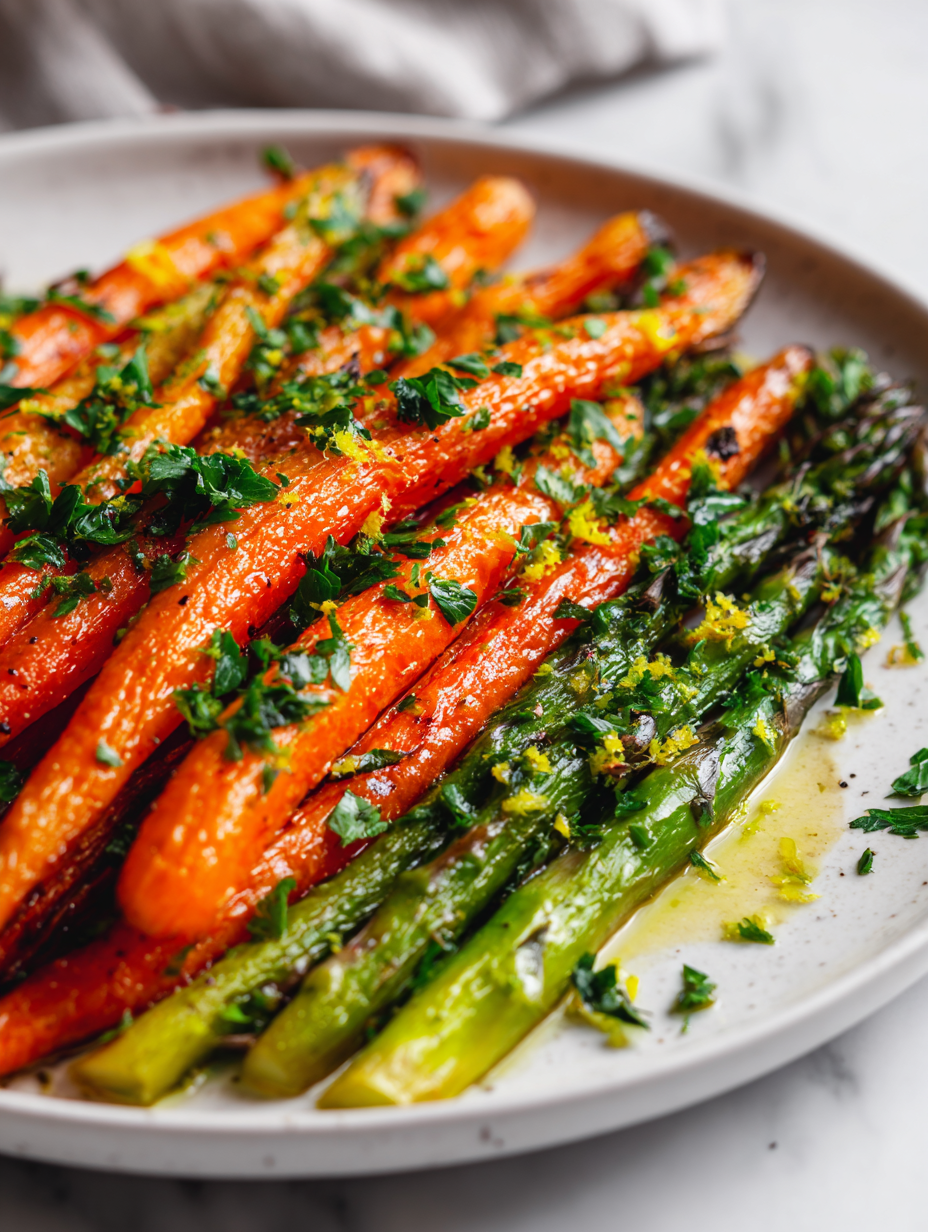
Roasted Carrots & Asparagus with Bright Finish
Ingredients
Equipment
Method
- Preheat your oven to 220°C (430°F). Line a baking sheet with parchment paper to keep things easy for cleanup.
- Peel the carrots if you like, then cut them into uniform 1-inch pieces. This helps them cook evenly and caramelize nicely.
- Trim the woody ends off the asparagus and cut the stalks to about 4-5 inches, keeping the thinner spears whole for crispness.
- In a large mixing bowl, toss the carrots and asparagus with 2 tablespoons of olive oil until everything is evenly coated. This will help them caramelize and develop flavor.
- Spread the vegetables out in a single layer on the prepared baking sheet, making sure they’re not crowded so they roast evenly and get crispy at the edges.
- Roast in the oven for about 20-25 minutes, flipping the vegetables with tongs or spatula halfway through. You’re looking for deep golden edges and tender insides.
- Once done, remove the tray from the oven and transfer the roasted vegetables to a serving bowl. Squeeze fresh lemon juice over the hot veggies for a bright, fresh finish.
- Toss gently to coat everything evenly with the lemon juice, then let rest for a couple of minutes to allow flavors to settle.
- Serve immediately while the vegetables are warm, smoky, and vibrant, with a hint of brightness from the lemon.
Pro tips for perfect roasting
- High heat: Roast at 220°C (430°F) for caramelized edges and tender insides.
- Even spacing: Arrange veggies in a single layer; overcrowding stalls caramelization.
- Proper tossing: Use tongs or a spatula to coat vegetables evenly with oil and seasonings.
- Timing check: Flip halfway through; edges should be deep golden, not burnt.
- Smell cues: The aroma should be smoky and sweet, signaling perfect caramelization.
- Finish with acid: Brighten flavors with a splash of lemon or vinegar right after roasting.
- Rest briefly: Let the veggies sit for 2-3 minutes before serving to settle flavors.
Common mistakes and how to fix them
- FORGOT to preheat the oven → Always preheat to ensure even roasting.
- DUMPED vegetables on the sheet → Spread veggies in a single, even layer for caramelization.
- OVER-TORCHED at edges → Check after 20 minutes, reduce heat if edges darken too fast.
- FAILED to toss with oil thoroughly → Toss well to coat evenly, avoiding dry spots.
Quick fixes and pantry swaps
- If vegetables look dull, splash with a bit more oil for even caramelization.
- When edges burn too fast, shield with foil and lower oven temp slightly.
- Dumped veggies too crowded? Spread them out more for crispy edges.
- Overcooked carrots? Rescue with a quick squeeze of lemon to brighten flavors.
- Pantry swap: use smoked paprika instead of pepper for a smoky kick and richer aroma.
Prep, store, and reheat tips
- Peel and cut carrots the day before; store in an airtight container in the fridge, they stay fresh for up to 2 days, with a slight sweetness intensifying.
- Trim asparagus and toss with oil and seasonings ahead; keep covered in the fridge for up to 24 hours. The flavors meld nicely, and it saves time on roasting day.
- Roasted vegetables can be made a day ahead. Let them cool completely, then refrigerate in an airtight container. Reheat in a 180°C (350°F) oven until warmed through, about 10-15 minutes, until the edges shimmer with slight crispness.
- Reheating might soften the caramelization slightly, but a quick blast in the oven will restore some of the smoky flavor and warm the dish evenly. Expect a gentle aroma of roasted sweetness when re-heated.
Top questions about roasted carrots and asparagus
1. What does roasting do to these vegetables?
Roasted carrots develop a deep, honeyed sweetness and a velvety texture, while asparagus gets crispy tips and tender stalks with smoky edges.
2. How should I prepare the vegetables before roasting?
The key is to cut everything into uniform pieces so they cook evenly—smaller for carrots, whole or halved for asparagus.
3. What oven temperature is best?
Use a hot oven at 220°C (430°F). Spread the veggies in a single layer, flip halfway, and look for deep golden edges and tender insides.
4. How do I season the vegetables?
Toss with good-quality olive oil, salt, and pepper before roasting. Finish with a splash of lemon or vinegar for brightness.
5. What if they overcook or undercook?
If the edges burn or vegetables stay undercooked, adjust the roasting time or temperature slightly and keep an eye on them after 20 minutes.
6. Can I make this dish in advance?
Yes, you can prepare chopped carrots and trimmed asparagus a day ahead, store in the fridge, and roast when ready.
7. How do I reheat leftovers?
Reheat in a 180°C (350°F) oven for 10-15 minutes until warmed and edges shimmer. Freshly roasted tastes best, but leftovers still have great smoky flavor.
8. What are some roasting tips for best results?
Use a high-quality oil for caramelization, season generously, and spread vegetables evenly on the pan for crisp edges.
9. What if my vegetables don’t turn out perfect?
If you notice dull or limp veggies, toss them with a bit more oil or a splash of lemon to revive flavor and texture.
10. Can I add anything extra for flavor?
Adding a drizzle of honey or maple syrup before roasting can enhance caramelization, especially if your carrots aren’t very sweet.
Roasted carrots and asparagus are a simple reminder that good things happen when you let nature take its course. The smoky aroma and tender bites are a quiet celebration of straightforward cooking. Sometimes, the most honest dishes are the most memorable, especially when they come straight from the oven to the table.
In the end, it’s about capturing that perfect moment of caramelized sweetness and crispy edges—an honest, imperfect process that rewards you with flavor and comfort. No fuss, just vegetables transformed by a little heat and a splash of brightness—exactly what I need on a busy night or a lazy weekend.