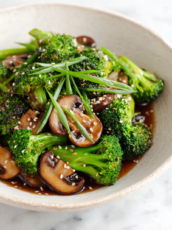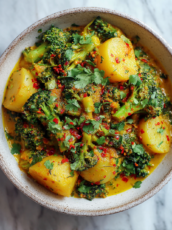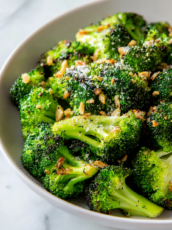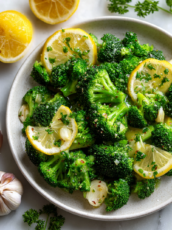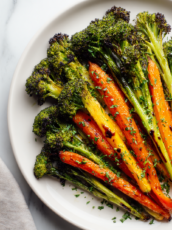
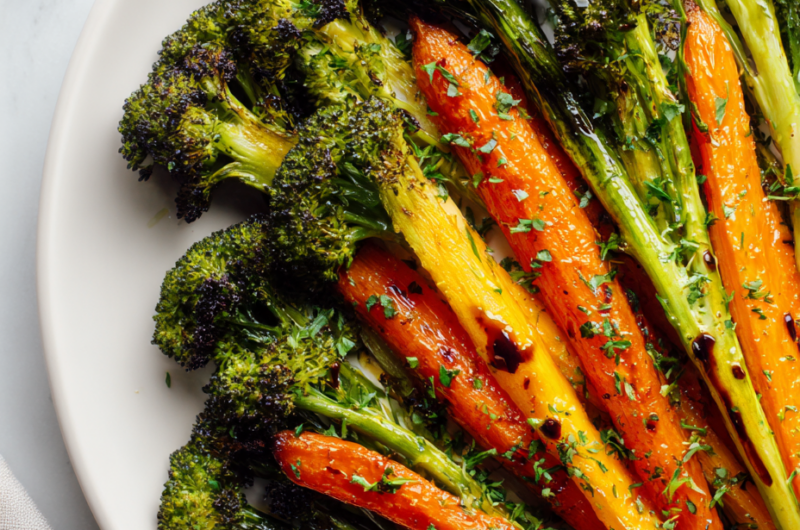
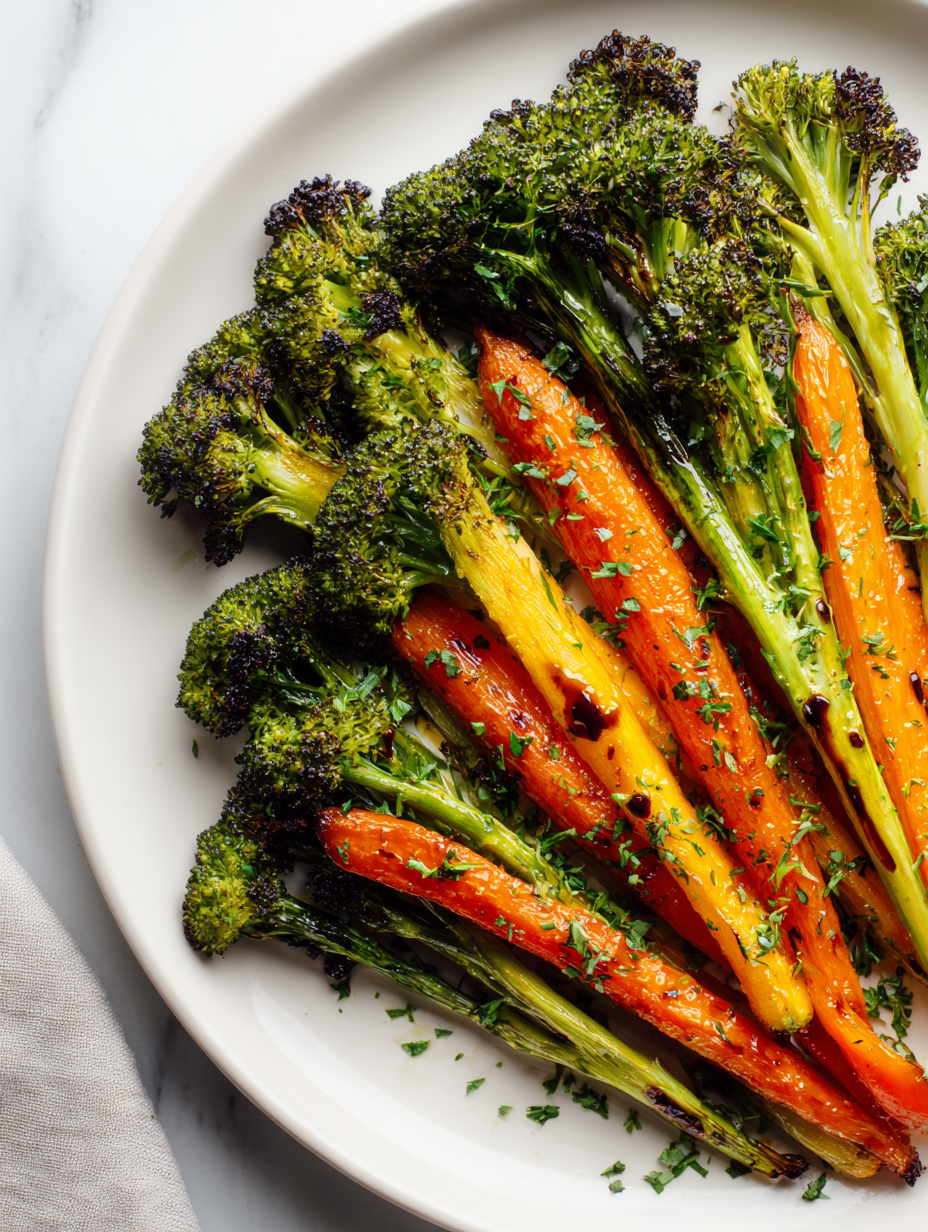
This roasted broccoli and carrots recipe is all about embracing the slightly charred, smoky edges that develop during roasting. It’s not your typical steamed or boiled veg—here, those caramelized bits add depth and a surprising sweetness that makes even the simplest ingredients feel special.
I love how the high heat transforms these humble vegetables into something with a little edge—crisp on the outside, tender inside, with a rich, roasted aroma that fills the kitchen. It’s a straightforward dish, but paying attention to those caramelized spots really elevates it beyond just a healthy side.
This dish became a staple during busy weeks when I needed something quick but flavorful. The beauty is in the small details—the slight charring, the smoky scent, the burst of sweet juices—that remind me that sometimes, simplicity done well is enough to turn a regular meal into a memorable one.
This recipe focuses on the overlooked beauty of caramelized edges, emphasizing how the slight charring on broccoli and carrots brings out a smoky sweetness that transforms simple roasted veggies into a surprisingly complex dish.
The story behind this recipe
- This recipe actually started as a way to use up a bunch of leftover carrots and broccoli that had seen better days. I was in a rush, but I didn’t want to waste good produce, so I threw them on a hot baking sheet with a splash of olive oil. The smell of roasting vegetables—those slightly smoky, caramelized edges—really hooked me in. It reminded me how simple ingredients can turn into something unexpectedly satisfying when you play with heat and time.
- One evening, I accidentally left the veggies a little longer than I planned, and I got those perfect, crispy charred bits that are usually considered a mistake. Instead of tossing them, I tried a squeeze of lemon and a dash of sea salt. That moment made me realize how those tiny imperfections—those caramelized, smoky edges—are what make roasted veggies so memorable. Now, I always aim for that little bit of extra char, and it’s become a favorite way to elevate everyday vegetables.
- heading: ‘The story behind this recipe’
Key ingredients and tips
- Broccoli: I love the way the edges turn into a deep, smoky green, almost like a roasted seaweed, adding a wonderful umami hit. Skip the florets that look too tired or wilted; fresh, firm heads yield the best caramelization.
- Carrots: Their natural sweetness really pops when roasted—think of that golden, honeyed aroma filling your kitchen. Thinly sliced carrots roast more evenly and get that tender yet slightly crispy edge. If they’re too thick, they’ll stay too firm.
- Olive oil: I use a good extra virgin for that fruity, peppery kick. Too little, and the veggies stick and dry out; too much, and they feel greasy. Aim for a light coating that glistens without drowning.
- Salt: I prefer flaky sea salt for that crunch and burst of mineral flavor. It helps bring out the caramelized sweetness. If you’re watching sodium, a pinch of soy sauce or miso can boost flavor without extra salt.
- Black pepper: Freshly cracked, it adds a subtle heat that balances the smoky notes. Don’t be shy—coarse grind for more punch. You can also toss in a sprinkle of smoked paprika for an extra smoky layer.
- Lemon: Just a squeeze at the end brightens everything—think of it as a fresh, zesty wake-up call. If lemon isn’t available, a splash of vinegar or a dash of vinegar-based hot sauce can do the trick.
- Optional herbs (like thyme or rosemary): I toss a few sprigs in before roasting for an aromatic lift. If you prefer a milder flavor, sprinkle chopped fresh herbs after roasting to keep their brightness intact.
Spotlight on key ingredients
Broccoli:
- I love how the edges turn a deep, smoky green, almost like roasted seaweed, adding a rich umami. Use fresh, firm heads for best caramelization.
- Carrots: Their natural sweetness really pops when roasted—think honeyed aroma filling your kitchen. Thin slices roast evenly and develop crisp, tender edges.
Olive oil & salt:
- Olive oil: I prefer a good extra virgin for a fruity, peppery punch. It helps veggies crisp up without feeling greasy. Aim for a light, even coating.
- Salt: Flaky sea salt adds a mineral crunch and enhances caramelized flavor. For lower sodium, a splash of soy sauce or miso works well.
Notes for ingredient swaps
- Dairy-Free: Swap butter for olive oil—keeps the smoky, rich feel without dairy. Slightly less creamy finish.
- Vegan: Use maple syrup instead of honey for a subtle sweetness that enhances caramelization. Adds a gentle, fruity note.
- Low-Sodium: Omit or reduce salt, then boost flavor with herbs or a splash of vinegar for brightness.
- Herb Variations: Swap thyme or rosemary for basil or oregano—each adds a different aromatic twist to your roasted veggies.
- Spice It Up: Add a pinch of smoked paprika or cayenne pepper for extra smoky heat—perfect if you like a little kick.
- Lemon Alternatives: Use a splash of apple cider vinegar or a dash of hot sauce to brighten the dish if lemon isn’t handy.
- Carrots: Thinly sliced parsnips or sweet potatoes work well, adding their unique sweetness and texture to the mix.
Equipment & Tools
- Baking sheet: To hold and roast the vegetables evenly.
- Parchment paper or silicone mat: To prevent sticking and make cleanup easier.
- Large mixing bowl: To toss the vegetables with oil and seasonings.
- Spatula or tongs: To flip or toss the vegetables during roasting.
- Lemon squeezer or juicer: To add fresh lemon juice for brightness.
Step-by-step roasting guide
- Preheat your oven to 220°C (430°F). Line a baking sheet with parchment paper or a silicone mat for easy cleanup.
- Prepare the vegetables: chop broccoli into bite-sized florets, about 2-3 cm (1 inch) pieces. Slice carrots diagonally into ½ inch thick pieces for even cooking.
- In a large bowl, toss the vegetables with 2-3 tablespoons of good quality olive oil—enough to coat evenly but not drown. Add a generous pinch of flaky sea salt and cracked black pepper.
- Spread the vegetables in a single layer on the prepared baking sheet. Make sure they’re not crowded—this helps with caramelization and prevents steaming.
- Roast in the oven for 20-25 minutes. Halfway through, use a spatula to flip or toss the veggies to promote even browning.
- Watch for the edges to turn deeply caramelized—dark brown but not burnt. The smell should be smoky with a hint of sweetness.
- If the veggies look dry or start to burn at the edges, lower the oven to 200°C (390°F) or cover loosely with foil for the last few minutes.
- Remove from oven and squeeze fresh lemon juice over the hot vegetables. Toss gently to distribute the bright, zesty flavor.
- Let rest for 2-3 minutes. This helps the juices redistribute and the flavors to settle. Serve warm, garnished with a sprinkle of flaky salt or herbs if desired.
Transfer roasted vegetables to a serving dish. Squeeze over fresh lemon juice, toss gently, and let sit for a couple of minutes before serving. Garnish with flaky salt or herbs if desired.
How to Know It’s Done
- Edges are deeply caramelized and dark brown, not burnt.
- Vegetables are tender but still hold their shape with some resistance when pierced.
- Smell is smoky with a sweet, roasted aroma, and veggies are crisp on the edges.
Roasted Broccoli and Carrots with Smoky Caramelization
Ingredients
Equipment
Method
- Preheat your oven to 220°C (430°F). Line a baking sheet with parchment paper or a silicone mat to prevent sticking.
- Chop the broccoli into bite-sized florets, about 2-3 cm pieces, and slice the carrots diagonally into ½ inch thick slices for even roasting.
- In a large bowl, toss the broccoli and carrots with 2 to 3 tablespoons of olive oil, ensuring each piece is lightly coated without excess pooling.
- Add a generous pinch of flaky sea salt and freshly cracked black pepper to the vegetables, then toss again to distribute evenly.
- Spread the vegetables in a single layer on the prepared baking sheet, making sure they are not crowded to promote proper caramelization.
- Roast in the oven for 20 to 25 minutes, flipping or tossing the vegetables halfway through, until edges are deeply caramelized and dark brown, and the aroma is smoky and sweet.
- Once roasted, remove the tray from the oven and squeeze fresh lemon juice over the vegetables, tossing gently to coat and brighten the flavors.
- Let the vegetables sit for a couple of minutes to allow flavors to meld. Taste and adjust seasoning with more salt or pepper if needed.
- Transfer to a serving dish, garnish with additional herbs if desired, and enjoy the smoky, caramelized goodness as a vibrant side or main vegetarian dish.
Notes
Pro tips for perfect roasting
- Bolded mini-head: Use high heat to develop deep caramelization—don’t shy away from those dark edges.
- Bolded mini-head: Shake the pan midway—this ensures even browning and prevents sticking or burning on one side.
- Bolded mini-head: Keep vegetables in a single layer—crowding causes steaming, not roasting, and dulls the crisp edges.
- Bolded mini-head: Watch for smell—when you detect a smoky, sweet aroma, the veggies are nearing perfect caramelization.
- Bolded mini-head: Toss with lemon immediately after roasting—this brightens and balances the smoky depth with fresh acidity.
- Bolded mini-head: Adjust oven rack—position it in the upper third for a faster, more intense charring, or lower for gentle roasting.
Common roasting mistakes and how to fix them
- FORGOT to pat vegetables dry → They steam instead of roast; pat dry for crispness.
- DUMPED too much oil → Vegetables become greasy; use just enough for a light coating.
- OVER-TORCHED edges → Check early; reduce oven temp or cover with foil to prevent burning.
- MISSED flipping halfway → Uneven caramelization; toss veggies around 10 minutes in for even browning.
Quick fixes and pantry swaps
- When veggies look dry, splash a bit more oil before roasting.
- If edges aren’t caramelizing, increase oven temp or broil for a minute.
- Splash with vinegar or lemon juice if veggies taste flat after roasting.
- Patch burnt edges with a sprinkle of fresh herbs to add flavor and disguise over-charred spots.
- Shield vegetables with foil if they start to burn before tenderizing, and do a quick five-second rescue.
Prep, store, and reheat tips
- Prep the vegetables: wash, peel, and cut the broccoli and carrots a day in advance. Store in an airtight container in the fridge—vegetables stay crisp and fresh for up to 24 hours.
- Roasting can be done ahead: roast the veggies until just tender, then cool completely. Keep in an airtight container in the fridge for up to 2 days. Reheat at 180°C (350°F) until warmed through and slightly crispy around the edges, about 10 minutes. The aroma will be smoky and sweet, with a tender yet crispy texture.
- For best flavor, reheat just before serving. The caramelized, smoky aroma intensifies, and the edges regain a slight crunch. Avoid over-reheating to prevent sogginess.
- Leftovers can be stored for up to 3 days in the fridge. Reheat in the oven or a skillet for the best texture. Do not microwave, as it may soften the edges and dull the smoky flavor.
Top questions about roasted veggies
1. How can I tell when the vegetables are perfectly roasted?
Look for deep, dark brown edges on the broccoli and carrots—these indicate caramelization. If they’re pale, give them a few more minutes but watch closely to avoid burning.
2. What if my carrots stay too crunchy?
If the veggies are still too firm after the baking time, pop them back in for 5-minute intervals. Sometimes, a higher oven temp helps, but be careful not to char too much.
3. How much oil should I use?
Use a light hand with oil—just enough to coat. Too much makes them greasy and dulls the crisp edges, especially if they start to steam instead of roast.
4. Can I skip the lemon?
A squeeze of lemon at the end brightens the smoky sweetness. If lemon isn’t available, a splash of vinegar or a pinch of sumac works well to add tang.
5. Should I add herbs during or after roasting?
For extra flavor, toss in herbs like thyme or rosemary before roasting. Add fresh herbs after roasting for a brighter, more vibrant aroma.
6. My veggies are burning too fast—what do I do?
If the edges burn before the middle is tender, lower the oven temperature slightly or cover the pan with foil halfway through roasting. This preserves flavor without over-charing.
7. Can I prep these veggies in advance?
Yes, you can prepare the chopped vegetables a day ahead. Keep them in an airtight container in the fridge. Roast just before serving for fresh, caramelized flavor.
8. How do I reheat without losing flavor?
Reheat leftovers in a 180°C (350°F) oven for about 10 minutes. The smoky aroma will come back, and they’ll regain some crispness around the edges.
9. Why are my leftovers soggy after reheating?
If the veggies seem soggy after reheating, try broiling for a minute or two to revive the crispy edges and smoky scent.
10. Does the type of oil matter?
Use a good quality extra virgin olive oil—its fruity, peppery notes make a big difference in flavor and crispness. Cheaper oils may feel dull and greasy.
This roasted broccoli and carrots dish is a reminder that simplicity, when executed with attention, can turn humble veggies into something memorable. The smoky edges and sweet undertones make it perfect for any season or mood, especially when you need something straightforward but satisfying.
In the end, it’s about those little moments—the aroma filling your kitchen, the slight char on the edges—that keep me coming back to this recipe. It’s honest, unpretentious, and a little messy in the best way, just like cooking should be.

Hello, I’m Oliver James, the person behind Melting Into Flavors. Cooking is my greatest passion, and it’s been the driving force in my life for as long as I can remember.
It’s not just about food for me; it’s about creating experiences, connecting with others, and sharing the love I have for what’s on the plate. Through this blog and my café, I’m able to share my journey with all of you and hopefully inspire some of your own culinary adventures along the way.