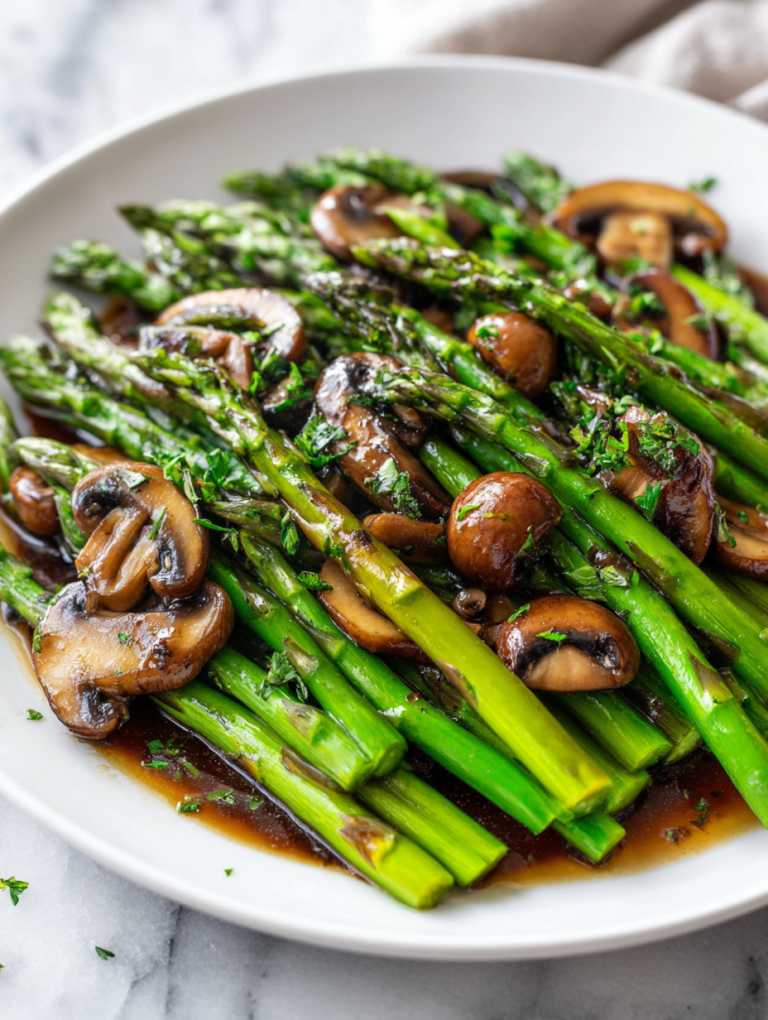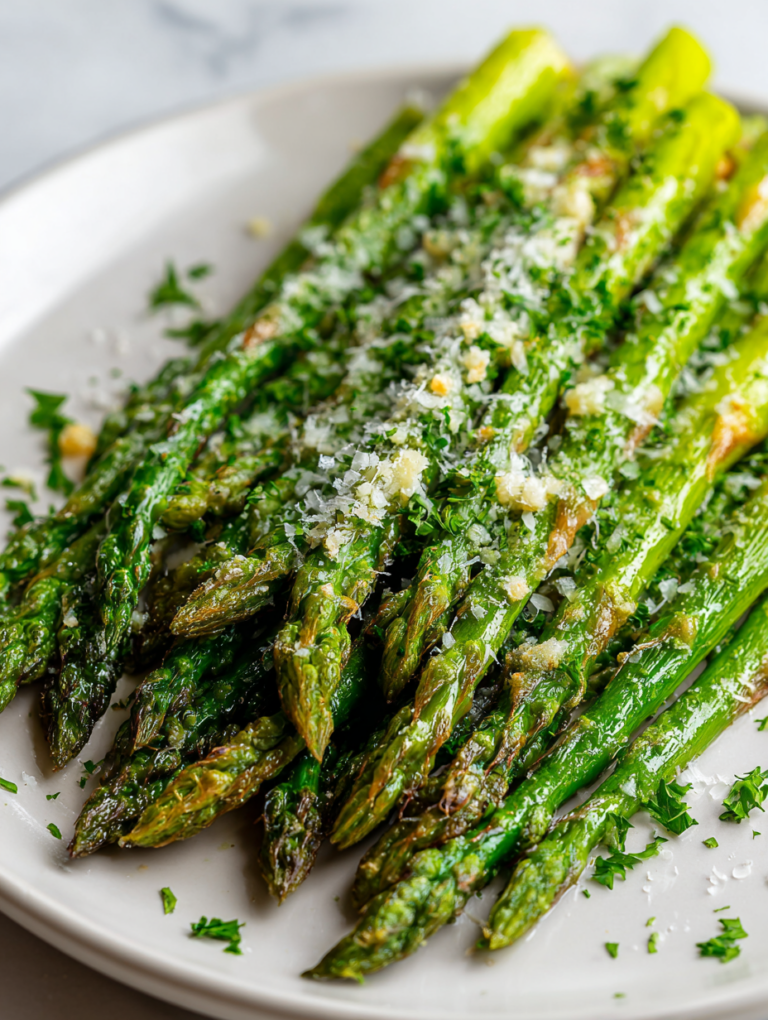
There’s something quietly stunning about roasting asparagus. It’s a humble vegetable, often overlooked, yet when you let it caramelize in the oven, it transforms into something richer and more complex than you’d expect. I love how the heat brings out its grassy sweetness, pairing perfectly with that sharp, tangy balsamic glaze.
This recipe isn’t about fuss or fancy ingredients. It’s about celebrating what’s in season, right now, with just a few simple steps. The process is straightforward, but the results feel special—like a little reminder that elegance can come from the simplest, most overlooked ingredients. It’s a tiny act of appreciation for spring’s fleeting bounty.
Focusing on the overlooked beauty of simple, seasonal ingredients and elevating them with minimal fuss—showing that elegance can come from everyday produce.
The story behind this recipe
A few seasons ago, I was wandering through a farmer’s market just as asparagus was hitting its peak. I picked up a bunch, thinking about how I usually toss it with lemon and garlic, but then I remembered a tiny café I visited years back. They drizzled roasted veggies with a thick balsamic glaze that had a smoky, sweet depth I couldn’t forget. That moment stuck with me, and ever since, I’ve been trying to recreate that balance of roasted earthiness with a glossy tang that makes each bite feel a little more special, even on a weekday.
Ingredient breakdown
- Asparagus: I love how the fresh spears turn tender and slightly caramelized in the oven. For a more intense flavor, pick thicker stalks—they hold up better and develop a smoky note when roasted. Try to find bright green, firm ones with tight tips.
- Olive oil: I use a good extra-virgin oil for roasting. It adds a fruity richness and helps the asparagus caramelize evenly. A slightly nutty oil can add depth, but don’t skimp—quality does matter here.
- Salt: I prefer flaky sea salt for that satisfying crunch and burst of flavor. A pinch before roasting enhances sweetness, but be careful not to oversalt—your asparagus will only need a little.
- Balsamic glaze: I like a thick, syrupy glaze with a balanced sweet and tangy punch. It’s the finishing touch that makes everything pop. If you don’t have glaze, a good balsamic vinegar reduced to a syrup works, but it won’t be quite as luscious.
- Black pepper: Freshly cracked black pepper adds a subtle heat and complexity. Sprinkle it generously after roasting to add a bit of bite—don’t skip this step, or it can feel flat.
- Optional garlic: I often toss a minced clove or two with the asparagus before roasting. It releases a warm, aromatic punch that complements the balsamic’s acidity. Roast it alongside for a mellow, roasted garlic note.
- Lemon zest (if desired): A little lemon zest can brighten the dish with a burst of citrus aroma. I usually add it just before serving, to keep the freshness intact.
Spotlight on key ingredients
Asparagus:
- I love how the fresh spears turn tender and slightly caramelized in the oven. For a more intense flavor, pick thicker stalks—they hold up better and develop a smoky note when roasted. Try to find bright green, firm ones with tight tips.
- Olive oil: I use a good extra-virgin oil for roasting. It adds a fruity richness and helps the asparagus caramelize evenly. A slightly nutty oil can add depth, but don’t skimp—quality does matter here.
Balsamic glaze:
- I like a thick, syrupy glaze with a balanced sweet and tangy punch. It’s the finishing touch that makes everything pop. If you don’t have glaze, a good balsamic vinegar reduced to a syrup works, but it won’t be quite as luscious.
- Black pepper: Freshly cracked black pepper adds a subtle heat and complexity. Sprinkle it generously after roasting to add a bit of bite—don’t skip this step, or it can feel flat.
Notes for ingredient swaps
- Dairy-Free: Olive oil works perfectly here, no need for butter or cream. You won’t miss the richness, just keep an eye on the flavor balance.
- Vinegar Alternatives: Apple cider vinegar or red wine vinegar can replace balsamic glaze in a pinch, but they won’t have the same sweetness or depth—consider adding a touch of honey or maple syrup.
- Sweetener Swap: Honey or maple syrup can stand in for balsamic glaze if you want a more floral or caramel note. Use sparingly, as they are less concentrated.
- Oil Choices: Avocado oil offers a milder, buttery flavor and high smoke point. It’s a good neutral swap if you’re out of olive oil.
- Herb Variations: Fresh thyme or rosemary can be sprinkled before roasting for a fragrant twist. Just be mindful of the roasting time, as herbs can burn if added too early.
- Salt Types: Sea salt flakes add crunch and brightness, but regular coarse salt works just fine. Adjust quantity to taste.
- Extra Flavor Boost: A splash of soy sauce or fish sauce before roasting can add umami complexity, especially if you like a savory punch.
Equipment & Tools
- Baking sheet: To hold the asparagus for roasting evenly.
- Parchment paper: For easy cleanup and prevent sticking.
- Tongs or a spatula: To toss and turn the asparagus during roasting.
- Small saucepan or microwave-safe bowl: To gently warm the balsamic glaze.
Step-by-step guide to roasting asparagus
- Preheat your oven to 220°C (430°F). Line a baking sheet with parchment for easy cleanup.
- Trim the woody ends off the asparagus, about 1-2 inches from the bottom. Aim for uniform stalks for even roasting.
- Place the asparagus on the prepared sheet in a single layer. Drizzle generously with olive oil—about 2 tablespoons for a bunch. Toss to coat evenly, then spread out again.
- Sprinkle with flaky sea salt—around 1/2 teaspoon—and freshly cracked black pepper. Toss lightly to distribute.
- Roast in the oven for 12-15 minutes. Check after 10 minutes; the asparagus should be tender and slightly browned at the tips, with some crispy edges. The smell will be grassy and roasted.
- Meanwhile, warm the balsamic glaze slightly if it’s thick or cold—just a few seconds in the microwave or a gentle warm on the stove. It should be pourable but still syrupy.
- Once roasted, transfer the asparagus to a serving platter. Drizzle the warm balsamic glaze over the top, aiming for a nice glossy sheen.
- Finish with a sprinkle of lemon zest if you like a citrus brightness, or a few more cracks of black pepper for an extra kick.
- Let the asparagus rest for 2-3 minutes to absorb the glaze and settle. Serve immediately for the best flavor and texture.
Allow the asparagus to rest for a couple of minutes to let flavors meld. Serve immediately with extra glaze or lemon zest if desired, for a fresh burst of aroma and flavor.
How to Know It’s Done
- Color: tips and edges are golden-brown and slightly crispy.
- Texture: asparagus is tender but still has a slight bite when pierced with a fork.
- Appearance: glaze is glossy and evenly coats the stalks without pooling.
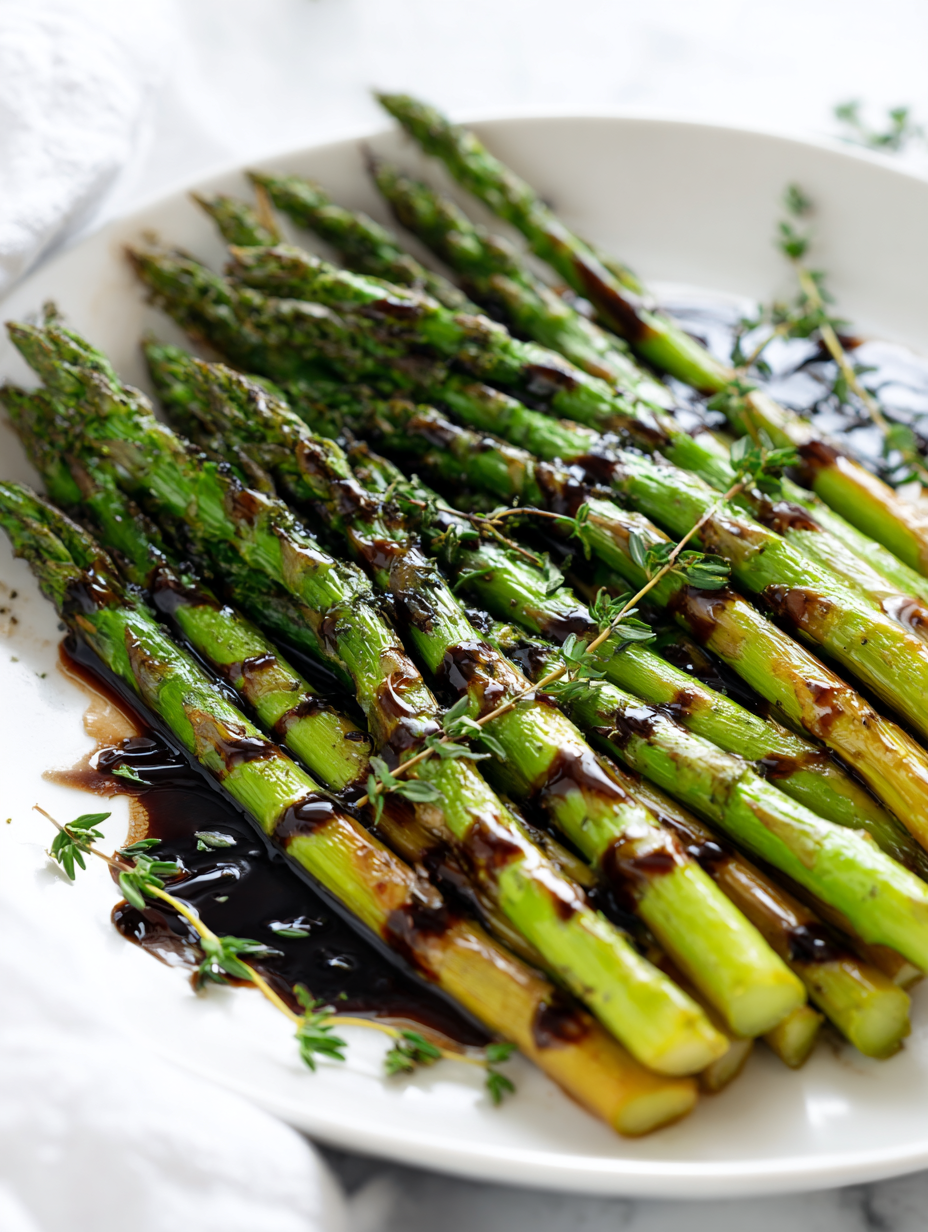
Roasted Asparagus with Balsamic Glaze
Ingredients
Equipment
Method
- Preheat your oven to 220°C (430°F). Line a baking sheet with parchment paper to prevent sticking and make cleanup easier.
- Trim the woody ends off the asparagus—about 1-2 inches from the bottom—aiming for uniform stalks so they roast evenly.
- Arrange the asparagus in a single layer on the prepared baking sheet. Drizzle evenly with olive oil, then toss gently with tongs or your hands to coat all the spears thoroughly.
- Sprinkle the asparagus with flaky sea salt and freshly cracked black pepper, distributing evenly to enhance flavor and add a slight crunch.
- Roast the asparagus in the oven for 12-15 minutes, until tender and lightly browned at the tips, with some crispy edges and a fragrant roasted aroma filling the kitchen.
- Meanwhile, gently warm the balsamic glaze in a small saucepan or microwave until it becomes glossy and pourable—this takes just a few seconds.
- Once the asparagus is done, transfer it to a serving platter and drizzle the warm balsamic glaze generously over the top, allowing it to cascade and create a shiny, appetizing coating.
- If desired, sprinkle lemon zest over the asparagus for a bright citrus aroma that lifts the dish just before serving.
- Serve immediately while the asparagus is warm, with the glossy balsamic glaze accentuating its tender texture and vibrant color.
Notes
Pro tips for perfect roasted asparagus
- Bolded mini-head: Use high heat → Ensures quick, even caramelization with a smoky edge.
- Bolded mini-head: Spread asparagus in a single layer → Prevents steaming and promotes crisping.
- Bolded mini-head: Toss with oil thoroughly → Achieves uniform browning and prevents sticking.
- Bolded mini-head: Roast until tips are golden → Look for a slight crisp and deep green color.
- Bolded mini-head: Warm the balsamic glaze slightly → Keeps it pourable and glossy, not clumpy.
- Bolded mini-head: Add lemon zest last → Preserves fresh citrus aroma and brightness.
- Bolded mini-head: Rest briefly before serving → Lets flavors settle and avoids soggy texture.
Common mistakes and how to fix them
- FORGOT to preheat the oven → Always preheat to ensure even roasting and caramelization.
- DUMPED the balsamic glaze on cold → Warm the glaze slightly for a smoother, glossy finish.
- OVER-TORCHED the asparagus → Roast until tender and lightly browned, not burnt or charred.
- MISJUDGED the timing → Check after 12 minutes; asparagus should be tender and tips caramelized.
Quick fixes and pantry swaps
- When asparagus spears are limp, splash them with ice water after roasting for crispness.
- If glaze clumps, patch with a quick microwave stir until smooth and shiny.
- Splash extra oil if asparagus sticks or browns unevenly during roasting.
- When tips burn, shield with foil or reduce oven temperature slightly.
- Dumped cold balsamic glaze? Rescue with a gentle warm-up for a glossy finish.
Prep, store, and reheat tips
- Trim the asparagus ends and store in an airtight container for up to 24 hours. The spears stay fresh and bright green, making prep easier on busy mornings.
- Roast the asparagus ahead of time and keep it in the fridge for up to 2 days. Reheat gently in a warm oven (around 150°C/300°F) until just warmed through, watching for slight wilting and losing some crispness.
- Store the balsamic glaze separately in a squeeze bottle or jar for up to a week. Rewarm slightly before drizzling to restore its glossy, syrupy texture and sharp aroma.
- If you’ve already roasted and glazed the asparagus, it’s best enjoyed within 24 hours for the best texture. The flavors mellow slightly, but it remains tasty, especially if reheated gently. The glaze can become a bit sticky, so reheat with a splash of warm water or gentle microwave burst to loosen.
FAQs about roasted asparagus with balsamic glaze
1. How do I choose the best asparagus?
Look for firm, bright green spears with tightly closed tips. They should bend easily without snapping. If they’re limp or dull, skip them.
2. How do I prepare asparagus before roasting?
Trim about 1-2 inches from the woody ends. You can snap off the tough part naturally or cut with a knife for precision.
3. What’s the ideal oven temperature for roasting asparagus?
Preheat your oven to 220°C (430°F). Roast for 12-15 minutes until tender and slightly caramelized at the tips.
4. How do I know when it’s done?
The asparagus should be tender but still have a slight bite. The tips turn golden-brown and crispy, with a fragrant aroma.
5. How do I prepare the balsamic glaze?
Warm the balsamic glaze slightly to loosen it. It should be glossy and syrupy, not thick or clumpy when drizzled.
6. Can I substitute the oil used for roasting?
Yes, you can swap olive oil with avocado oil or light sesame oil. The flavor may shift slightly, but the roasting quality remains good.
7. What are good substitutes for balsamic glaze?
Yes, apple cider vinegar or red wine vinegar can replace balsamic in a pinch, but add a pinch of honey for sweetness.
8. Should I add lemon zest during roasting?
Adding lemon zest right before serving keeps it fresh and aromatic. It brightens the dish without overwhelming the roasted flavor.
9. What if my asparagus gets limp after roasting?
If the asparagus is limp after roasting, toss it with a splash of oil and reheat in a hot oven for 5 minutes to revive some crispness.
10. How long can I keep roasted asparagus?
Store roasted asparagus in an airtight container in the fridge for up to 2 days. Reheat gently to preserve texture and flavor.
This roasted asparagus with balsamic glaze feels like a quiet celebration of spring. Its simple, honest flavors bring a fresh, tangy brightness that’s perfect for any season or occasion.
Even if you’re short on time or ingredients, this dish reminds me that the best meals are often the simplest—focused on good produce and a little bit of care in the kitchen. Sometimes, that’s enough to make a meal feel special.