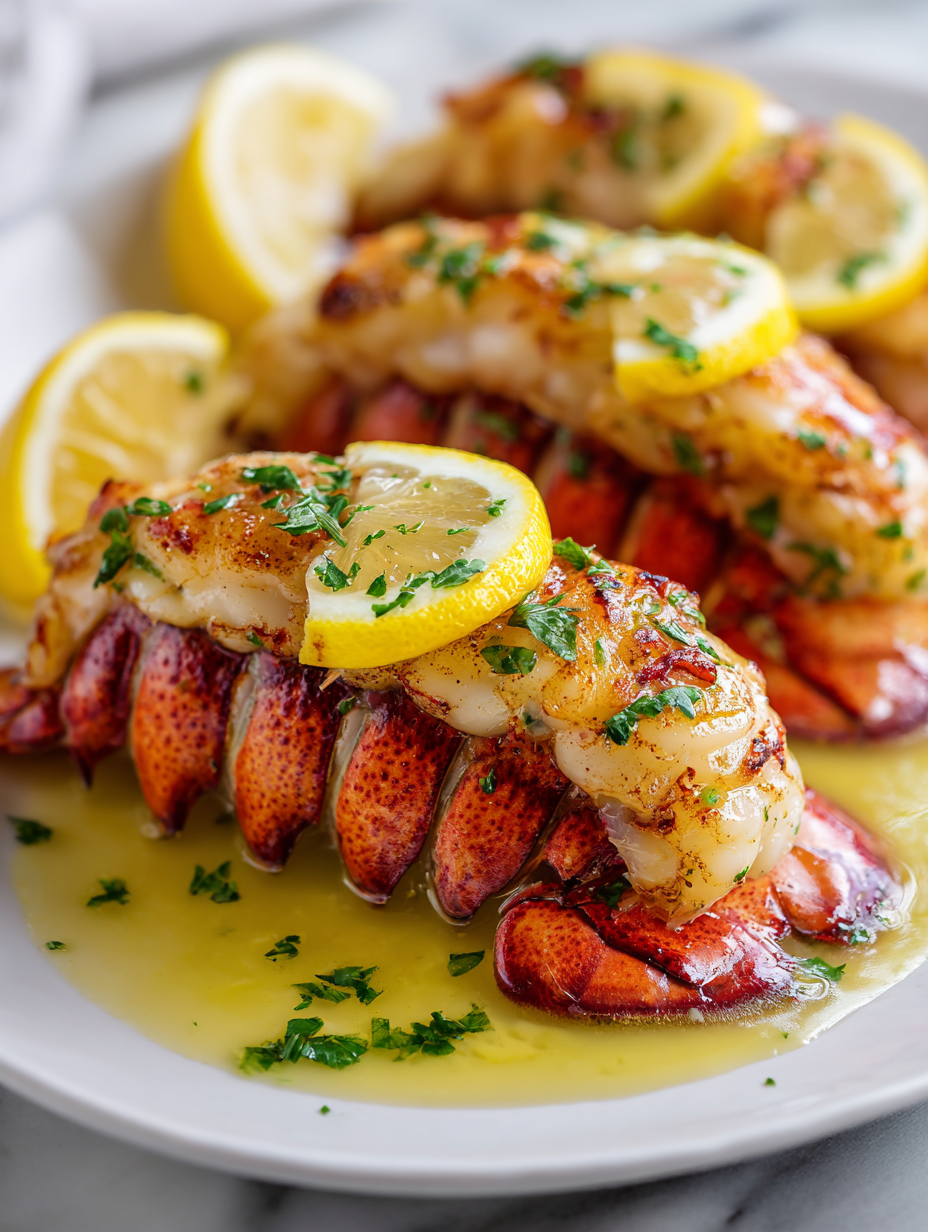
Lemon butter lobster tail might sound fancy, but it’s really just a simple dance of bright citrus and rich creaminess. I love how the lemon cuts through the buttery richness, making each bite feel fresh and indulgent at the same time. It’s the kind of dish that feels special but doesn’t demand hours in the kitchen.
I first discovered this pairing when I was craving something luxurious yet uncomplicated for a weekend dinner. The aroma of melting butter mingling with lemon zest fills the kitchen with a sunny, inviting scent. It’s honestly a little addictive — that perfect balance of tang and decadence that keeps you coming back for more.
Focusing on the unexpected pairing of bright lemon and rich butter to elevate lobster tails, making the dish both comforting and surprisingly fresh, perfect for showcasing how simple ingredients can transform a luxury into an everyday delight.
The story behind this recipe
- This recipe came together one hectic Sunday when I was craving something fancy but didn’t want to spend hours in the kitchen. I realized that lobster, lemon, and butter are a trio that can turn a humble dinner into a celebration in minutes. It’s my go-to for when I want to impress without stressing.
- I remember the first time I cooked this for friends — the way the lemon’s bright aroma mingled with the rich butter, everyone’s eyes lit up. It’s not about perfection, really, but about capturing that moment of simple indulgence. Now, it’s become a staple whenever I need a quick, elegant dish to lift the evening.
- story_type
Key ingredients and tips
- Lobster tail: I prefer it fresh and bright, with a firm, slightly sweet flesh. If yours is frozen, thaw it slowly in the fridge for best texture.
- Lemon: The zest is a game-changer—adds that zingy, fragrant punch. Use organic lemons if possible; the flavour is sharper and more vivid.
- Butter: I go for unsalted, European-style butter for a richer, creamier melt. If you only have regular butter, just add a pinch of salt to balance it out.
- Garlic: Fresh garlic minced finely, it melts into the butter, adding a mellow, aromatic depth. Dried garlic or garlic powder? Skip it here—fresh wins.
- Parsley: A handful chopped fine right before serving keeps it bright and fresh. Skip if you’re not a fan, but it really lifts the dish visually and flavour-wise.
- Olive oil: Just a drizzle for searing the lobster skin; it prevents sticking and adds a subtle fruity note. Use a neutral oil if you prefer a cleaner taste.
- Seasonings: Salt and pepper are your base. A pinch of paprika or smoked paprika can add a smoky warmth—use sparingly, it can overpower the delicate lobster.
Spotlight on key ingredients
Lemon:
- I love how the zest and juice add a zesty, fragrant punch. The brightness really cuts through the richness, making each bite lively and fresh.
- Freshness: The lemon’s aroma is sharp and invigorating, especially when heated, releasing a citrusy burst that lifts the entire dish.
Butter:
- I prefer European-style, rich and creamy, melting into the lobster with a velvety texture. It’s the foundation of that luscious sauce that’s hard to resist.
- Butter’s behavior: When heated gently, it turns golden and aromatic, infusing the lobster with a mellow, nutty undertone that deepens the flavor.
Notes for ingredient swaps
- Dairy-Free: Swap butter for coconut oil or a plant-based butter alternative. The dish will lose some richness but gain a subtle coconut aroma that pairs surprisingly well with lemon.
- Low-Sodium: Use a salt-free butter substitute or omit added salt altogether. The lobster’s natural sweetness becomes more prominent without the salt punch.
- Vegan: Replace lobster with king oyster mushroom stems sliced lengthwise. They mimic the texture and absorb the lemon butter beautifully, adding an earthy note.
- Gluten-Free: Ensure your lemon butter is prepared with gluten-free ingredients and use a clean, dry pan to avoid cross-contamination. The flavors stay vibrant without wheat-based thickeners.
- Herb Variations: Substitute parsley with basil or tarragon for a different herbal brightness. Fresh herbs add a fragrant, lively contrast to the rich butter.
- Citrus Twist: If lemon isn’t available, lime or orange zest and juice can be used. Each brings a slightly different citrus profile—more tart or sweeter, respectively.
- Oil Alternatives: For searing, use avocado oil or ghee if you want a higher smoke point or different flavor profile. A neutral or buttery note, respectively, complements the lobster.
Equipment & Tools
- Sharp scissors: To cut through the shell cleanly and prep the lobster for cooking.
- Small brush: To brush butter onto the lobster for even coating and flavor.
- Cast-iron skillet or heavy pan: Provides even heat for searing without hot spots.
- Tongs: To handle the lobster safely without piercing the meat.
- Lemon zester and juicer: To extract bright lemon zest and juice for the butter.
Step-by-step guide to lobster
- Equipment & Tools: Use a sharp boning knife for precise cuts, a small brush for butter, a cast-iron skillet or heavy-bottomed pan for even heat, and tongs for handling the lobster.
- Prep the lobster tail: Using scissors, cut down the top shell from the base to the tip, avoiding the meat. Gently pry the shell open and lift the meat slightly, resting it on top of the shell for a neat presentation. This ensures even cooking and easy butter application. (about 5 minutes)
- Make lemon butter: Melt 4 tablespoons of butter in a small saucepan over medium heat (around 150°C/300°F). Add 1 minced garlic clove and cook until fragrant (about 1 minute). Stir in the zest and juice of half a lemon, then simmer for 2 minutes. Set aside; this bright, aromatic butter is what makes the dish shine.
- Heat the pan: Place your skillet over medium-high heat (around 200°C/390°F). Once hot, add a thin layer of oil or butter. It should shimmer but not smoke. This step creates a perfect sear and prevents sticking.
- Sear the lobster: Place the lobster tail flesh side down first. Sear for about 2-3 minutes until the edges turn a golden brown. Flip gently with tongs and cook for another 2-3 minutes. Keep an eye out for a slight jiggle in the meat—this indicates it’s just cooked through. If it sticks, give it a little more time; if it burns, lower the heat slightly.
- Glaze with lemon butter: Remove the lobster from the pan. Brush generously with the warm lemon butter, letting it soak into the meat. For extra flavor, spoon some of the butter over the top. The lobster should look glossy and vibrant.
- Rest briefly: Let the lobster rest for 1-2 minutes to allow juices to redistribute. This keeps the meat tender and juicy, not rubbery. Plate immediately, garnished with chopped parsley if desired.
Let the lobster rest for 1-2 minutes. Then, drizzle with any remaining lemon butter. Serve immediately with lemon wedges and a sprinkle of parsley for color and freshness.
How to Know It’s Done
- Lobster meat is opaque and firm to the touch, with a slight jiggle.
- Butter turns golden and fragrant, with a bright lemon aroma filling the air.
- Lobster shell turns a vibrant red or pink, indicating doneness.
Lemon Butter Lobster Tail
Ingredients
Equipment
Method
- Use sharp scissors to cut down the top shell of each lobster tail from base to tip, avoiding the meat. Gently pry the shell apart and lift the meat slightly, resting it on top for a neat presentation.
- Melt the butter in a small saucepan over medium heat, then add the minced garlic and cook until fragrant, about 1 minute. Stir in the lemon zest and juice, simmering for another 2 minutes to infuse the butter with citrus.
- Heat your skillet over medium-high heat, then add a tablespoon of olive oil. Once shimmering, place the lobster flesh side down and sear for 2-3 minutes until golden brown and crispy on the edges.
- Flip the lobster and cook for another 2-3 minutes, ensuring the meat is opaque and firm. Use tongs to handle the lobster carefully for a gentle turn.
- Remove the lobster from the pan and brush generously with the warm lemon butter, allowing it to soak into the meat. Spoon extra butter over the top for a glossy finish.
- Let the lobster rest for 1-2 minutes, then garnish with chopped parsley if desired. Serve immediately with lemon wedges for an extra bright touch.
Pro tips for perfect lobster
- Bold the butter: Use a gentle heat and keep stirring until it turns a light golden color and smells nutty. This prevents burning and develops flavor.
- Brighten with zest: Add lemon zest just before serving to maximize aroma and freshness, avoiding bitterness from over-zesting.
- Pan temperature: Sear lobster flesh side down at around 200°C/390°F until edges are golden—this creates a crisp exterior without overcooking.
- Gentle flipping: Use tongs to turn the lobster carefully, ensuring the meat stays intact and juices stay sealed inside.
- Sauce infusion: Baste the lobster with lemon butter during the final minutes to help the meat soak up citrus brightness and richness.
- Rest briefly: Let the lobster sit for 1-2 minutes after cooking to allow juices to redistribute, keeping it tender and juicy.
- Finish with flair: Drizzle extra lemon butter over the lobster just before plating for a glossy, flavorful finish.
Common mistakes and how to fix them
- FORGOT to check lobster doneness? Use an instant-read thermometer at 60°C/140°F.
- DUMPED the lemon butter? Keep it warm and spoon over lobster for best flavor.
- OVER-TORCHED the butter? Lower heat immediately to avoid burnt taste and smoky aroma.
- MISSED the resting step? Rest lobster 1-2 minutes for juicier, tender meat.
Quick fixes and pantry swaps
- If sauce separates, splash in a teaspoon of cold water and whisk briskly.
- When lobster is overcooked, patch with a splash of lemon butter and serve immediately.
- DUMPED the pan’s hot butter? Shield with a lid and let it cool slightly before adding lobster.
- When shells crack during cutting, use a sharp knife and go slow, or switch to kitchen scissors.
- heading:
Prep, store, and reheat tips
- Prep the lobster tail: Cut and clean the shell and meat up to a day in advance. Keep chilled for freshness.
- Make lemon butter: Prepare and refrigerate up to 2 days ahead. Reheat gently until warmed and fragrant before serving.
- Storage: Keep cooked lobster in an airtight container in the fridge for up to 2 days. Reheat gently in a warm pan or covered in foil at 150°C/300°F.
- Reheating: Gently warm the lobster in a skillet or oven until just heated through to avoid drying out. The lemon butter will shimmer and release a bright aroma when ready.
Frequently Asked Questions
1. How do I tell when lobster is cooked properly?
Look for lobster meat that’s opaque and firm, with a slight jiggle when you gently press it. It should not be translucent or mushy.
2. What if my lemon butter separates?
If your lemon butter looks separated or greasy, whisk in a teaspoon of cold water to bring it back together.
3. How can I prevent overcooking lobster?
Overcooked lobster becomes rubbery. To avoid this, remove it from heat as soon as it turns opaque and has a slight jiggle.
4. My lobster shell cracked, what now?
If the lobster shell cracks while cutting, use very sharp kitchen scissors or a fillet knife, and cut slowly.
5. What should I do if my butter starts to burn?
Splash a bit of lemon juice or broth into the pan if the butter starts to brown too quickly or burn.
6. How hot should my pan be for searing?
When searing, make sure the pan is hot enough—around 200°C/390°F—so the lobster gets a nice golden crust quickly.
7. Why should I rest my lobster after cooking?
Rest your cooked lobster for 1-2 minutes before serving to let the juices settle and keep the meat tender.
8. Can I use bottled lemon juice?
Use fresh lemon zest and juice for the brightest flavor. Organic lemons often have a sharper, more vivid aroma.
9. Can I cook frozen lobster directly?
If your lobster is frozen, thaw it slowly in the fridge overnight for the best texture and flavor.
10. How do I reheat lobster without drying it out?
Reheat cooked lobster gently in a covered skillet or oven at about 150°C/300°F, just until warmed through to preserve moisture.
This dish isn’t just about the flavors; it’s about capturing a moment of simple luxury that’s quick to make and hard to forget. The lemon’s brightness paired with the tender lobster makes every bite feel special, even on a busy weeknight.
Sometimes, it’s these little dishes that remind me how a few good ingredients, treated with care, can turn an ordinary dinner into a memorable occasion. It’s honest, straightforward, and honestly, just really satisfying to pull off.