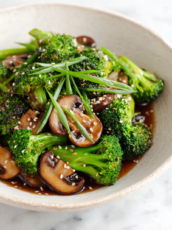

This leek and potato curry is my go-to for when I want something warm and unpretentious, but with a little kick of flavor. It’s one of those dishes that feels like a cozy secret—simple ingredients, transformed with a bit of spice and patience. I love making this on a slow Sunday, letting the aroma fill the house and settle into the bones of the potatoes and leeks.
There’s something satisfying about taking humble vegetables and turning them into a hearty, satisfying curry. No fancy ingredients or fuss, just honest cooking that delivers every time. It’s perfect for those nights when you crave comfort but don’t want to spend hours in the kitchen.
This recipe is about celebrating the everyday, about making something nourishing from what’s already in your fridge. The gentle sweetness of leeks paired with the earthiness of potatoes, all wrapped up in fragrant spices—that’s the kind of meal that feels like a small victory, especially when it’s cold outside.
This recipe is inspired by the idea of transforming humble, everyday ingredients—leeks and potatoes—into a comforting, flavor-rich curry that feels like a warm hug on a chilly day. It’s about finding joy in simple, honest cooking, and making something satisfying without fuss.
The story behind this recipe
- This dish came about during a chilly weekend when I found myself rummaging through the fridge and realizing how much I love the simplicity of leeks and potatoes. It’s a bit of an accidental discovery, combining those humble ingredients into something unexpectedly satisfying and warm. Cooking it feels like giving a cozy hug to the kitchen after a long week.
- A moment of inspiration struck when I was trying to use up leftovers and kept thinking about how leeks, with their gentle sweetness, could pair beautifully with curry spices. That little experiment turned into a dish that’s become a comfort staple—nothing fancy, just honest flavors and a bit of patience. It reminds me how sometimes, the simplest ingredients have the most to say.
- heading: ‘The story behind this recipe’
Key ingredients and tips
- Leeks: I love their velvety texture and subtle sweetness; slice thinly so they soften evenly without burning, and watch for that lovely shimmer when they cook down. Swap with fennel for a slightly aniseed note if you prefer a different aromatic base.
- Potatoes: Russets are my favorite for their fluffiness, but Yukon Golds bring a buttery richness that’s hard to beat. Cut them into even chunks; they should melt into the curry without turning to mush too quickly. You can also try sweet potatoes for a sweeter, more vibrant dish.
- Curry spices: I keep a blend of cumin, coriander, turmeric, and a pinch of chili—adjust to your heat preference. Toast the spices gently in oil first for a deeper, smoky aroma. If you’re out of specific spices, a good curry powder works just fine.
- Coconut milk: I prefer full-fat for creaminess and richness; it makes the curry feel indulgent, like a warm hug. For a lighter version, try evaporated milk or even a splash of yogurt stirred in at the end—just don’t boil it after adding.
- Garlic & ginger: I crush my garlic and grate the ginger fresh; it releases a zing that’s essential. If you’re short on fresh, a teaspoon of garlic and ginger powders is okay, but the fresh stuff really brightens the dish and adds sharpness.
- Cooking oil: I use a neutral oil with a high smoke point—vegetable or canola—so I can toast spices and sauté without worry. For extra flavor, a splash of coconut or sesame oil at the end can add a subtle layer of aroma.
- Seasoning & finishing: Salt, a squeeze of lemon, and fresh herbs like cilantro brighten everything up. Taste as you go, especially after adding coconut milk—sometimes a pinch more salt or acid is needed to balance the richness.
Spotlight on key ingredients
Leek and Potato:
- Leeks: I love their velvety texture and subtle sweetness; slice thinly so they soften evenly without burning, and watch for that lovely shimmer when they cook down. Swap with fennel for a slightly aniseed note if you prefer a different aromatic base.
- Potatoes: Russets are my favorite for their fluffiness, but Yukon Golds bring a buttery richness that’s hard to beat. Cut them into even chunks; they should melt into the curry without turning to mush too quickly. You can also try sweet potatoes for a sweeter, more vibrant dish.
Notes for ingredient swaps
- Dairy-Free: Swap coconut milk for almond or oat milk. It’s lighter, less creamy, but still brings a gentle sweetness.
- Vegan: Use vegetable oil instead of ghee or butter. Keep the spices and aromatics intact for full flavor.
- Low-Sodium: Opt for unsalted butter or omit added salt until tasting. Use herbs and lemon to boost flavor.
- Gluten-Free: Ensure spices are pure and free from gluten additives. Serve with gluten-free bread or rice.
- Extra Heat: Add a pinch of cayenne or chopped fresh chili for more kick—be mindful of heat level.
- Sweet Potatoes: Substitute with sweet potatoes for a sweeter, more vibrant dish. Adjust cooking time slightly.
- Leeks: If unavailable, substitute with thinly sliced fennel or shallots for a similar sweet, aromatic base.
Equipment & Tools
- Large pan: For sautéing and simmering the curry
- Knife: To peel and cut vegetables
- Cutting board: For safe chopping
- Blender or immersion blender: To blend the curry for smoothness if desired
Step-by-step guide to Leek And Potato Curry
- Gather your equipment: a large heavy-bottomed pan for sautéing, a sharp knife, a cutting board, and a blender or immersion blender for smoothness. Have your spices measured out to keep things flowing.
- Peel the potatoes and cut into roughly 2cm (0.8 inch) cubes. Slice the leeks into thin rings after rinsing thoroughly to remove any grit.
- Heat 2 tbsp oil in the pan over medium heat (about 160°C/320°F). Add the sliced leeks and cook, stirring frequently, until they soften and turn a translucent, slightly golden around the edges, about 8 minutes. They should smell sweet and earthy.
- Add 1 tsp cumin, 1 tsp coriander, ½ tsp turmeric, and a pinch of chili to the leeks. Toast the spices for 30 seconds until fragrant—listen for a crackle and smell that warm spice aroma. If they burn, lower the heat.
- Toss in the cubed potatoes, stir well to coat with spices and leek mixture. Cook for 3-4 minutes until the potatoes develop a light sheen and start to brown slightly at the edges.
- Pour in 400 ml coconut milk (full-fat for richness). Stir, bring to a gentle simmer, then cover and cook on low heat (about 90°C/194°F) for 20 minutes. The potatoes should be tender, and the curry should thicken slightly with a fragrant, spicy aroma filling the kitchen.
- Check the curry: the potatoes should be easily pierced with a skewer, and the mixture should look creamy and vibrant. If it’s too runny, uncover and simmer for 5 more minutes. Adjust salt and add a squeeze of lemon for brightness.
- Remove from heat. Let the curry rest for 5 minutes to meld flavors. Serve hot with rice or crusty bread, garnished with fresh herbs if desired.
Let the curry rest for 5 minutes off heat, then spoon into bowls. Garnish with fresh herbs if you like. Serve immediately with rice or bread.
How to Know It’s Done
- Leeks should be soft and translucent, not browned or burnt.
- Potatoes are easily pierced with a fork, soft but not falling apart.
- Curry has a fragrant, balanced aroma with a mildly thickened consistency.

Leek and Potato Curry
Ingredients
Equipment
Method
- Start by heating the oil in a large pan over medium heat, listening for a gentle sizzle.
- Add the sliced leeks and cook slowly, stirring occasionally, until they soften and turn a translucent, golden hue, about 8 minutes—your kitchen will fill with a sweet, earthy aroma.
- Stir in the grated ginger and minced garlic, cooking for another minute until fragrant, and you’ll notice a warm, spicy scent wafting through the air.
- Add the cumin, coriander, turmeric, and chili powder, stirring constantly as you toast the spices for about 30 seconds until they release their aroma and turn a deeper color.
- Next, toss in the cubed potatoes and stir well, coating them with the spice mixture. Cook for 3-4 minutes until they start to turn a light golden on the edges.
- Pour in the coconut milk, stirring gently to combine, then bring the mixture to a gentle simmer. Cover the pan and cook on low heat for about 20 minutes, until the potatoes are tender and the curry has thickened slightly, filling your kitchen with a fragrant aroma.
- Check the potatoes—pierce them with a fork; they should be soft and easily break apart. If the curry is too thin, uncover and simmer for a few more minutes to thicken. Taste and add a squeeze of lemon for brightness, then adjust salt if needed.
- Remove from heat, sprinkle with chopped cilantro, and let it rest for 5 minutes to let flavors meld and sauce thicken just a bit more.
- Serve the warm, velvety curry over rice or with crusty bread, savoring the comforting blend of spices and tender vegetables in every bite.
Tips and tricks for perfect curry
- Bolded mini-head: Caramelize leeks thoroughly → Cook slowly over medium heat until they are soft and golden, bringing out their natural sweetness.
- Bolded mini-head: Toast spices gently → Warm spices in oil just until fragrant; avoid burning to prevent bitterness and enhance aroma.
- Bolded mini-head: Uniform potato chunks → Cut potatoes into even pieces to ensure they cook evenly and achieve a tender, melt-in-your-mouth texture.
- Bolded mini-head: Add coconut milk gradually → Pour in in stages, tasting for creaminess; too much at once can cause splitting or overly thin curry.
- Bolded mini-head: Rest before serving → Let the curry sit off heat for 5 minutes to allow flavors to meld and the sauce to thicken slightly.
- Bolded mini-head: Adjust seasoning at the end → Taste and add salt, lemon, or herbs last to brighten and balance the dish’s flavor profile.
- Bolded mini-head: Use a lid for simmering → Cover the pan loosely to trap steam, which helps tenderize potatoes and meld spices without losing too much moisture.
Common mistakes and how to fix them
- FORGOT to check spice levels before serving → Taste and adjust salt and spice at the end.
- DUMPED too much coconut milk early → Add gradually, tasting for creaminess and balance.
- OVER-TORCHED the spices at the start → Toast spices gently, watch for a fragrant aroma without burning.
- MISSED letting curry rest before serving → Rest for 5 minutes to meld flavors and smooth out textures.
Quick fixes and pantry swaps
- When sauce looks split → Splash in a teaspoon of cold water and stir briskly.
- If the curry is too thick → Add a splash of hot water or coconut milk, then stir gently.
- When spices burn during toasting → Remove from heat immediately, start over with fresh spices.
- Splash some lemon juice if the curry tastes flat or dull—brightens everything up quickly.
- Patch a watery curry by simmering uncovered until it thickens, releasing excess moisture.
Prep, store, and reheat tips
- Chop and slice the leeks and potatoes the day before; store in airtight containers in the fridge. They stay fresh for up to 24 hours and help speed up cooking time.
- Cook the curry a day ahead; it develops deeper flavors overnight in the fridge. Reheat gently on the stove, stirring occasionally, until steaming and aromatic.
- Refrigerated curry lasts 2-3 days. For longer storage, freeze in portions for up to 3 months. Thaw overnight in the fridge before reheating.
- Reheat in a saucepan over low heat, adding a splash of water or coconut milk if needed. Look for a bubbling, fragrant curry with a smooth, velvety texture. Avoid boiling vigorously to prevent separation.
Top Questions About Leek And Potato Curry
1. How do I pick good leeks and potatoes?
Use firm, fresh potatoes and leeks that smell sweet and look vibrant. If they’re limp or smell off, better to skip them.
2. How should I prepare the leeks?
Slice leeks thinly so they soften evenly and release their sweet aroma. Rinse thoroughly to remove grit.
3. How do I know when the curry is done?
Simmer the curry until potatoes are tender and easily pierced with a fork. It should look creamy and smell fragrant.
4. What if my curry is too thick or too runny?
If the curry is too thick, stir in a bit of hot water or coconut milk. If it’s too thin, simmer uncovered to thicken.
5. How do I toast spices without burning them?
Toast spices gently in oil just until fragrant, about 30 seconds. If they burn, start over with fresh spices.
6. Should I add all the coconut milk at once?
Add coconut milk gradually, tasting as you go. Too much at once can cause separation or overly thin sauce.
7. Why should I let the curry rest before serving?
Let the curry rest off heat for 5 minutes. This helps flavors meld and sauce thicken slightly before serving.
8. Any tips for prepping vegetables?
Use a sharp knife to peel and cut vegetables evenly. This ensures uniform cooking and better texture.
9. How should I reheat leftover curry?
Reheat gently over low heat, stirring occasionally. Add a splash of water or coconut milk if needed to loosen.
10. When should I season the curry?
Adjust seasoning at the end—taste and add salt, lemon, or herbs to brighten the dish before serving.
This leek and potato curry feels like a quiet victory on chilly nights, when simple ingredients come together in a warm, fragrant hug. It’s honest cooking that’s forgiving and unfussy, perfect for making in advance or when you need something nourishing without fuss.
In the end, it’s about those cozy moments, the smell of spices, and tender vegetables that make every bite feel like a small, satisfying triumph. No matter the season, it’s a reminder that humble ingredients can still deliver something truly comforting.

Hello, I’m Oliver James, the person behind Melting Into Flavors. Cooking is my greatest passion, and it’s been the driving force in my life for as long as I can remember.
It’s not just about food for me; it’s about creating experiences, connecting with others, and sharing the love I have for what’s on the plate. Through this blog and my café, I’m able to share my journey with all of you and hopefully inspire some of your own culinary adventures along the way.