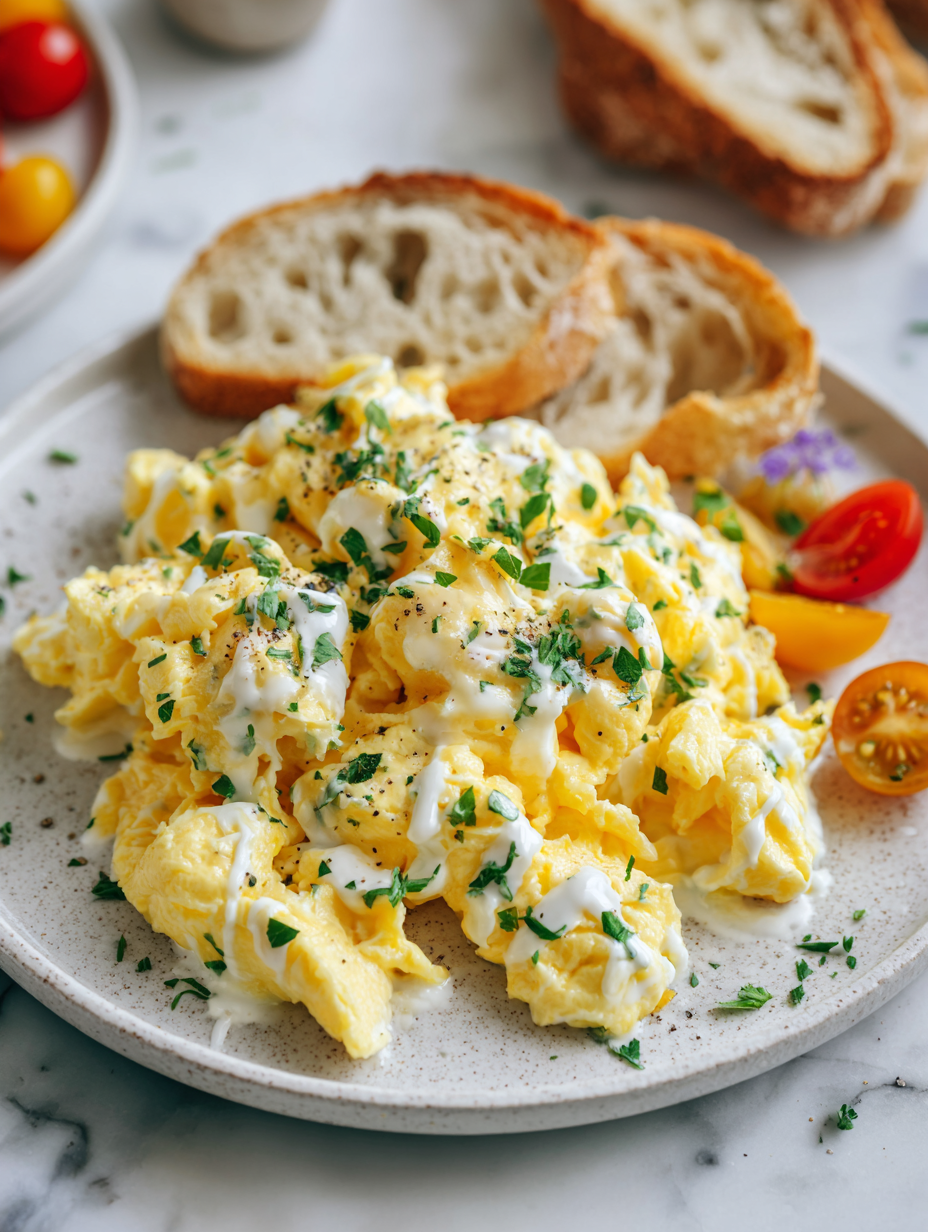
Scrambled eggs might seem straightforward, but taking the time to cook them low and slow makes all the difference. It’s about patience, gentle heat, and folding rather than stirring aggressively. When done right, they turn soft, creamy, almost custard-like, and that’s what I chase every time I hit the stove.
I used to rush through scrambled eggs, thinking quick heat and constant stirring would give me fluffy results. But I always ended up with dry, rubbery curds. Once I slowed down, learned to trust the process, and kept the heat gentle, everything changed. Those eggs became a silky, luxurious start to my day, and now I can’t go back.
Focusing on the gentle, low-and-slow heat method to achieve the creamiest, most custard-like scrambled eggs, emphasizing patience over speed.
The art of gentle heat
- There’s a quiet joy in perfecting this simple, forgiving technique; it feels like a small victory every morning.
- I used to think scrambled eggs were just breakfast filler, but now I see them as a canvas for patience and care.
- Nothing beats that moment when the eggs are just softly set, creamy, and still glossy—like a little bit of comfort on a plate.
- I feel proud when I get these right, especially after a busy morning, knowing I’ve started the day with something truly satisfying.
- Sometimes, I get nostalgic for my grandma’s kitchen when I make these, the smell of butter and eggs filling the air.
The story behind this recipe
- I remember the first time I tried making scrambled eggs with a low, gentle heat. It felt almost meditative, waiting patiently as the curds slowly formed into something luxuriously soft. That quiet process taught me that simplicity, approached with care, yields richness I never expected.
- Years ago, I was rushing to get breakfast on the table and ended up with dry, rubbery eggs. It wasn’t until I slowed down, paid attention to the gentle crackle of butter and the soft jiggle of eggs, that I finally understood what I’d been missing. Now, those eggs are my comfort—creamy, tender, and full of subtle flavor.
- heading: ‘The slow, mindful approach’
Fun facts and history
- Scrambled eggs date back to ancient times, with evidence of their preparation in ancient Persia and Rome, showcasing their long-standing popularity across cultures.
- The modern idea of fluffy, soft scrambled eggs gained traction in early 20th-century American cookbooks, emphasizing gentle heat and patience for perfect texture.
- In France, the technique of gently folding eggs over low heat is called ‘oeufs brouillés,’ which translates to ‘scrambled eggs,’ highlighting a refined, slow approach.
- The invention of non-stick pans in the mid-20th century revolutionized scrambled egg making, making it easier to achieve that silky, custard-like consistency without sticking or burning.
Ingredient breakdown
- Eggs: I prefer farm-fresh, organic eggs—rich, slightly runny yolks bring that luxurious, velvety texture you want to fold into creamy goodness. Swap for standard eggs if needed, but expect a slightly firmer set.
- Butter: I use plenty of unsalted butter—sizzle and melt it until it’s lightly foamy and fragrant, which adds a rich, nutty flavor. Margarine or oil can work, but the eggs won’t have that same buttery depth.
- Salt: A pinch of sea salt right after whisking heightens the eggs’ natural flavor. For a little extra punch, add a tiny pinch of smoked paprika or pepper—just a whisper of heat and smokiness.
- Cream or milk: I like a splash of heavy cream—makes the eggs extra silky and tender. Skim milk works if you want a lighter feel, but avoid skim milk alone, it can thin out the mixture too much.
- Pepper: Freshly cracked black pepper—add just before serving to keep it bright and fragrant. Dried pepper can become bitter if cooked too long, so sprinkle at the end.
- Herbs (optional): Chives or parsley for a fresh, green contrast. Chop finely and stir in at the very end to preserve their bright flavor and crisp texture.
- Cheese (optional): A sprinkle of soft cheese like goat or ricotta adds tang and creaminess. Stir it in at the end, just until melted and warm—don’t overdo it, or it gets rubbery.
Spotlight on key ingredients
Eggs:
- I prefer farm-fresh, organic eggs—rich, slightly runny yolks bring that luxurious, velvety texture you want to fold into creamy goodness. Swap for standard eggs if needed, but expect a slightly firmer set.
- Butter: I use plenty of unsalted butter—sizzle and melt it until it’s lightly foamy and fragrant, which adds a rich, nutty flavor. Margarine or oil can work, but the eggs won’t have that same buttery depth.
- Salt: A pinch of sea salt right after whisking heightens the eggs’ natural flavor. For a little extra punch, add a tiny pinch of smoked paprika or pepper—just a whisper of heat and smokiness.
Butter:
- I use plenty of unsalted butter—sizzle and melt it until it’s lightly foamy and fragrant, which adds a rich, nutty flavor. Margarine or oil can work, but the eggs won’t have that same buttery depth.
- Salt: A pinch of sea salt right after whisking heightens the eggs’ natural flavor. For a little extra punch, add a tiny pinch of smoked paprika or pepper—just a whisper of heat and smokiness.
Notes for ingredient swaps
- Dairy-Free: Use coconut cream or cashew cream instead of heavy cream. Expect a slightly different richness and a hint of coconut or nutty flavor.
- Vegan Eggs: Swap for tofu scramble or commercial vegan egg replacers. The texture will be a bit firmer and less custardy, but still satisfying.
- Butter: Substitute with olive oil or a neutral oil like avocado oil. The eggs will have a slightly different flavor profile and may be less rich.
- Cheese: Use a dairy-free cheese or omit entirely. Without cheese, the eggs will be less creamy but still flavorful if seasoned well.
- Salt: Consider using flaky sea salt or finishing salts for a more nuanced saltiness that enhances the eggs’ natural flavor.
- Herbs: Fresh herbs like chives or parsley can be replaced with dried herbs, but the fresh will give a brighter, crisper flavor.
- Pepper: Use white pepper for a milder heat or smoked paprika for a smoky depth. Adjust amounts to taste, as these can be more pungent.
Equipment & Tools
- Non-stick skillet: Prevents sticking and allows gentle heat control.
- Silicone spatula: For gentle folding without breaking curds.
- Small mixing bowl: Whisk eggs and ingredients thoroughly.
- Whisk: Combine yolks and whites evenly.
Step-by-step guide to perfect scrambled eggs
- Equipment & Tools: Use a non-stick skillet (8-inch), silicone spatula for gentle folding, and a small bowl for whisking. Keep everything within reach before starting.
- Crack 3 large eggs into the bowl. Whisk thoroughly until yolks and whites are fully combined, about 20 seconds. Add a pinch of sea salt and a splash of heavy cream, whisk again to incorporate.
- Place the skillet over low heat (~70°C/160°F). Add 1 tablespoon of unsalted butter. Let it melt gently until it’s just foaming and smells nutty, about 1 minute.
- Pour the egg mixture into the skillet. Let it sit undisturbed for about 10 seconds, then start gently stirring with the spatula, folding the eggs from the edges toward the center. Keep the heat low.
- Continue to gently fold every 10-15 seconds. The eggs will start to form soft curds, look glossy, and jiggle slightly. If they seem to stick or brown, lower the heat or remove from heat temporarily.
- As the eggs become mostly set but still slightly runny, about 2 minutes total, remove the skillet from heat. The residual warmth will finish the cooking. The texture should be soft, creamy, and slightly custardy.
- Transfer the eggs to a plate or bowl. Let rest for 30 seconds to settle. Optionally, sprinkle with freshly cracked black pepper and chopped herbs. Serve immediately for best creaminess.
Serve immediately after resting 30 seconds. Optionally, garnish with herbs or extra butter for richness.
How to Know It’s Done
- Eggs are softly set, glossy, and slightly jiggly when removed from heat.
- A gentle, buttery aroma and a light, silky texture on the tongue.
- No browning or dryness; they should be tender and custard-like.
Creamy Low-and-Slow Scrambled Eggs
Ingredients
Equipment
Method
- Crack the eggs into a small mixing bowl and whisk thoroughly with a fork or whisk until the yolks and whites are completely blended, about 20 seconds. Add a pinch of sea salt and a splash of heavy cream, then whisk again to combine.
- Place your non-stick skillet over very low heat—aim for a temperature around 70°C (160°F)—and add the butter. Let it melt gently, shimmering lightly and smelling nutty, about 1 minute.
- Pour the egg mixture into the skillet. Let it sit undisturbed for about 10 seconds until it just begins to set at the edges with a slight gloss.
- Using a silicone spatula, gently fold the eggs from the edges toward the center, stirring slowly and carefully. Continue this process, allowing the eggs to form soft, glossy curds, every 10-15 seconds. Keep the heat low to prevent browning.
- As the eggs become mostly set but still slightly runny, remove the skillet from heat. The residual warmth will finish cooking the eggs to a silky, custard-like consistency, about 2 minutes total.
- Transfer the eggs to a plate or bowl. Let them rest for 30 seconds to settle and then sprinkle with freshly cracked black pepper and chopped herbs if using. Serve immediately to enjoy their creamy, tender texture.
Notes
Tips for silky scrambled eggs
- Low and slow: Keep the heat at a gentle simmer—this prevents curdling and results in silky eggs.
- Constant folding: Use a silicone spatula to gently fold eggs, creating soft, uniform curds without breaking them apart.
- Timing the curds: Remove eggs just before they look fully set; residual heat will finish the job for creamy texture.
- Butter matters: Let butter melt until lightly foamy before adding eggs—this adds richness and prevents sticking.
- Don’t rush: Patience is key—slow stirring and low heat ensure tender, custard-like eggs every time.
- Finish hot: Serve immediately once off heat; eggs will continue to cook slightly from residual warmth, risking dryness.
- Taste as you go: Season with salt and pepper at the end to avoid drawing out moisture or overpowering the delicate flavor.
Common mistakes and how to fix them
- FORGOT to lower heat: Cook eggs on medium-high, then reduce to low for gentle cooking.
- DUMPED the eggs too early: Remove from heat when slightly runny; residual heat finishes the job.
- OVER-TORCHED the eggs: Stir constantly and keep heat low to avoid browning or rubbery texture.
- SKIPPED the resting step: Let eggs sit for 30 seconds after cooking for a creamier texture.
Quick fixes and pantry swaps
- If eggs seem watery, splash in a little more butter for richness and shimmer.
- When eggs stick, patch the hot spots with a gentle swirl of oil or butter.
- Splash cold water on the pan if eggs over-torched; it cools and halts cooking immediately.
- DUMPED the eggs too long? Rescue with a splash of cream and gentle stirring to revive creaminess.
- When lacking fresh herbs, pantry herbs like dried thyme can add subtle aroma and flavor.
Prep, store, and reheat tips
- Whisk the eggs and measure the cream ahead of time; keep covered in the fridge for up to 24 hours. The mixture remains fresh and ready to pour when you cook.
- Prepare the butter and herbs in small containers; store in the fridge for up to 3 days. They can be added directly to the eggs for extra flavor.
- Refrigerate cooked scrambled eggs in an airtight container for up to 2 days. Expect slight firmness and a less glossy appearance upon reheating.
- Reheat gently in a non-stick pan over low heat, stirring constantly until warmed through. The texture will be softer, and the eggs may be slightly less creamy—aim for steaming, not sizzling.
- Flavor may mellow after storage; consider adding a fresh pinch of salt or herbs when reheating for a bright finish.
Top questions about perfect scrambled eggs
1. How do I keep scrambled eggs creamy?
Use low heat and gentle stirring, about 70°C (160°F), to keep eggs silky and prevent curdling.
2. Should I add milk or cream to eggs?
Whisk eggs thoroughly with a splash of cream and a pinch of salt before cooking.
3. What’s the best heat level for scrambled eggs?
Cook eggs slowly on low heat, folding constantly, until just barely set and glossy.
4. When should I take eggs off the heat?
Remove from heat when eggs are slightly runny; residual warmth finishes cooking for perfect texture.
5. Why add butter at the start?
Add butter before the eggs hit the pan for richness and smooth melting.
6. When should I salt the eggs?
Season with salt after whisking to enhance flavor without drawing out moisture.
7. What tools work best for scrambling eggs?
Use a silicone spatula to gently fold eggs, avoiding breakage of curds and maintaining softness.
8. How soon should I eat scrambled eggs after cooking?
Serve immediately after cooking to enjoy the eggs at their creamiest and warmest.
9. Can I make scrambled eggs ahead?
Store leftovers in an airtight container in the fridge for up to 2 days, then reheat gently.
10. What if my eggs stick or scorch?
If eggs stick or burn, lower the heat or add a splash of water to cool and loosen.
Mastering the gentle art of scrambled eggs has made me appreciate the quiet patience in cooking. It’s a small ritual that transforms simple ingredients into something rich and comforting, especially on busy mornings.
Now, I find joy in those soft, custard-like bites that remind me breakfast is about care, not speed. It’s a reminder that sometimes slowing down yields the most satisfying results, turning a basic dish into a moment of mindful nourishment.

Hello, I’m Oliver James, the person behind Melting Into Flavors. Cooking is my greatest passion, and it’s been the driving force in my life for as long as I can remember.
It’s not just about food for me; it’s about creating experiences, connecting with others, and sharing the love I have for what’s on the plate. Through this blog and my café, I’m able to share my journey with all of you and hopefully inspire some of your own culinary adventures along the way.