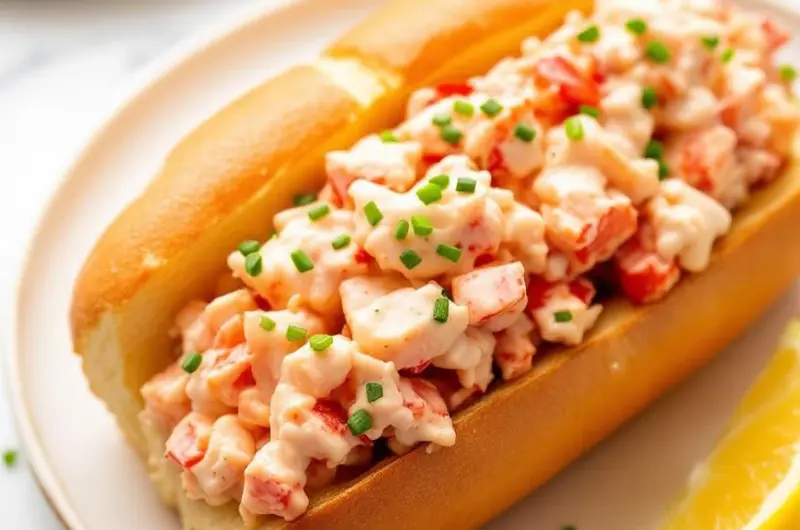
Getting a lobster roll right means dealing with hot, juicy lobster meat and a toasted bun that can be tricky to keep intact. You’ll be scooping, filling, and trying not to spill lobster all over the counter as you go.
The real challenge is balancing the lobster’s tenderness with a bit of crunch from the bun, so it’s about timing and gentle handling from start to finish. No fluff—just enough prep to get everything ready for a quick assembly.
The gentle, almost imperceptible crackle as the lobster meat hits the hot buttered bun, a quiet symphony of textures that signals the perfect crunch and tender bite.
Key ingredients and swaps
- Lobster: Fresh lobster tail, meaty and sweet, gets a quick boil or steam. If you can’t find lobster, king crab meat offers a similar briny sweetness—just skip the shell work. The oozy meat should be tender but firm, with a slight chew.
- Buns: Hot dog buns are easiest, lightly toasted in butter until golden. Brioche rolls work too if you want richness. Avoid overly soft or squishy bread that won’t hold the lobster—look for a sturdier, toasted bite that can handle the filling.
- Mayonnaise: Classic mayo thickens the filling and adds creaminess. Use good-quality or make your own if you have time. For a tangy twist, stir in a squeeze of lemon or a dash of hot sauce—just don’t skip the fat for flavor.
- Lemon: Brightens everything with a sharp, citrus pop. Squeeze fresh lemon right before serving for maximum zing. If lemons are scarce, a splash of vinegar can add a similar acidity—just keep it fresh and lively.
- Herbs: Chopped chives or parsley give freshness and color. If you don’t have herbs, a pinch of dill or tarragon works well too. Skip the herbs if you want a more minimalist, pure lobster flavor, but I prefer the brightness they bring.
- Butter: Use unsalted butter for toasting buns and sautéing lobster bits lightly. It adds richness and a slight caramelization. For a dairy-free version, olive oil or a neutral oil will do, but it won’t have quite the same depth.
- Seasoning: Just salt and pepper—don’t overthink it. A tiny pinch of smoked paprika can add a smoky depth, but keep it subtle. The lobster’s natural flavor should shine through, so resist adding too many spices.
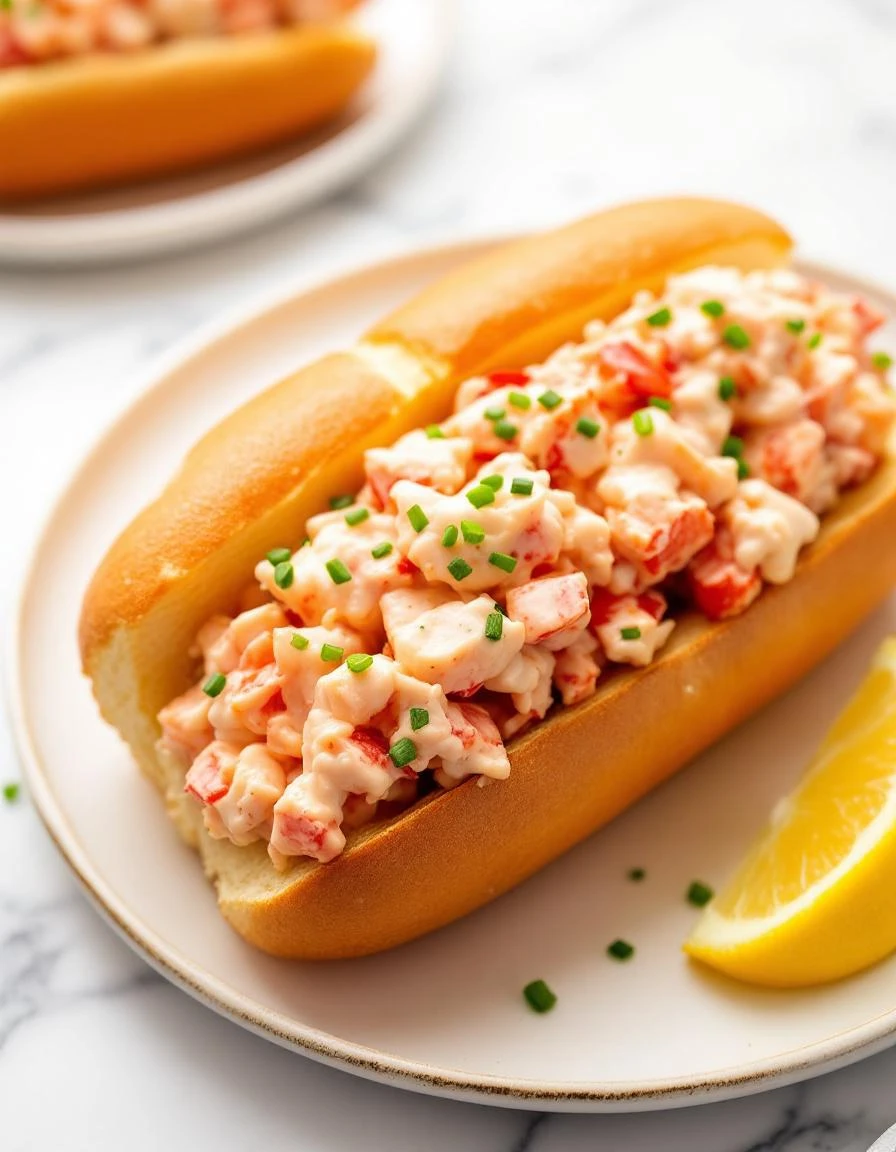
Lobster Roll
Ingredients
Equipment
Method
- Bring a large pot of salted water to a boil and add the lobster tails. Cover and cook for about 8-10 minutes until the meat is opaque and tender. Remove and let cool slightly, then crack the shells and extract the meat, chopping it into bite-sized pieces.
- While the lobster cools, slice the buns in half lengthwise and heat a small skillet over medium heat. Add a tablespoon of butter and toast the buns cut sides down until golden and crispy, about 2 minutes. Remove and set aside.
- In a mixing bowl, combine the chopped lobster meat with mayonnaise, lemon juice, chopped herbs, a pinch of salt and pepper, and a splash of olive oil if using. Gently fold everything together until well coated and creamy.
- Spread a thin layer of butter on the toasted buns, then place them cut sides up on a baking sheet. Briefly warm in a 350°F oven for 2-3 minutes if you want extra warmth, or proceed directly to assembly.
- Fill each toasted bun generously with the lobster mixture, pressing gently to pack the filling without spilling. The lobster should sit comfortably in the bun, with a balance of creamy filling and crispy edges.
- Finish by squeezing fresh lemon over each lobster roll for a bright, zesty finish. Serve immediately with extra lemon wedges on the side.
Common mistakes and how to fix them
- FORGOT to preheat the bun—toast immediately after buttering for perfect crunch.
- DUMPED too much lobster in the bun—use a moderate amount to avoid spilling over.
- OVER-TORCHED the bun—keep an eye and toast until just golden, not dark.
- MISSED the seasoning—add a pinch of salt or a squeeze of lemon to brighten flavors.
Make-Ahead and Storage Tips
- Lobster meat can be cooked and shredded a day ahead; keep chilled for up to 24 hours. Reheat gently in butter before assembling.
- Buns can be sliced and toasted a few hours in advance; store in an airtight container to keep them crisp.
- Mayonnaise mixture can be prepared ahead and refrigerated for up to 24 hours. Stir before using to refresh the texture.
- Lemon juice and herbs can be prepped early; keep separate and add fresh just before serving to preserve brightness.
- Refrigerate assembled lobster rolls for no more than 2 hours to prevent sogginess. Reheat buns slightly if needed for crunch.
- For longer storage, freeze cooked lobster in airtight container for up to 2 months; thaw overnight and reheat carefully to avoid drying.
FAQs
1. How do I pick good lobster meat?
A fresh lobster tail has a firm, slightly springy texture and a sweet, briny aroma. When cooked, the meat should be tender but not mushy, with a slight chew. It’s the kind of bite that makes you pause and savor.
2. How should the bun feel when ready?
Toast the buns until they’re golden and slightly crispy on the edges. The sound of that gentle crackle as you bite in signals the perfect crunch. Don’t skip buttering—the richness adds a satisfying layer of flavor.
3. How do I know if my mayo is right?
Mix mayonnaise with a squeeze of lemon and a pinch of salt until it’s creamy and tangy. It should coat the lobster without overwhelming its natural sweetness. The lemon brightness lifts the seafood’s aroma and cuts through the richness.
4. How much lemon is enough?
Squeeze fresh lemon just before serving; the citrus should burst with a bright, zesty aroma that invigorates each bite. If lemons are dull or lacking, a splash of vinegar can mimic that sharp note.
5. Are herbs necessary?
Chopped herbs like chives or parsley add a fresh, grassy aroma and a pop of color. They should be bright and crisp when you stir them in. If your herbs are wilted, pick fresh or skip for a cleaner lobster flavor.

Hello, I’m Oliver James, the person behind Melting Into Flavors. Cooking is my greatest passion, and it’s been the driving force in my life for as long as I can remember.
It’s not just about food for me; it’s about creating experiences, connecting with others, and sharing the love I have for what’s on the plate. Through this blog and my café, I’m able to share my journey with all of you and hopefully inspire some of your own culinary adventures along the way.