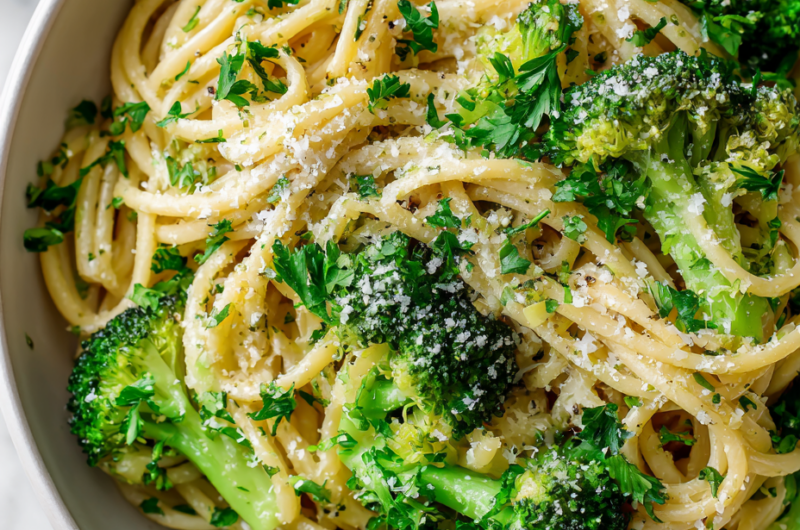
This broccoli pasta with garlic and olive oil isn’t just a quick weeknight dinner; it’s a playground for texture and flavor. I love how a simple handful of ingredients can transform into something vibrant, with crispy garlic edges and tender broccoli bits that cling to every strand of spaghetti.
The trick is in the details—crisping that garlic just enough, tossing the pasta in a splash of olive oil that’s been heated until shimmering, and letting the broccoli remain slightly charred for that smoky crunch. It’s a dish that invites you to play with textures, making each bite a tiny celebration of contrasts.
It’s also one of those recipes that feels like a blank canvas, ready for your tweaks—adding chili flakes for heat, anchovies for umami, or a squeeze of lemon for brightness. But honestly, even in its purest form, it’s a comfort that’s surprisingly complex.
Focusing on how this simple dish becomes a canvas for experimenting with different textures and flavor intensities, turning a humble pasta into a sensory journey with each bite.
The story behind this recipe
- This recipe was born out of a quiet weekend when I needed something simple but satisfying. It’s the kind of dish I make when I want to feel grounded, the smell of garlic and olive oil filling the kitchen just right. It’s honest food, no fuss, yet somehow always feels special enough to serve to friends.
- I remember the first time I added a handful of chopped broccoli to my pasta, expecting just a crunch, but it ended up tender with that slightly caramelized edge from the pan. Ever since, I’ve loved how this dish turns humble ingredients into something that feels both nourishing and lively.
- Sometimes, I toss in a pinch of red pepper flakes or squeeze lemon at the end. It’s a flexible canvas, but honestly, the simplicity keeps pulling me back. It’s quick, it’s real, and it’s become my go-to when I want something warm and honest after a long day.
Ingredient breakdown: key components
- Broccoli: I prefer florets that are still bright green and slightly crunchy. For more flavor, toss them in a pan until they get just a bit charred—adds a smoky note that wakes up the dish.
- Garlic: I like mine sliced thin and golden-brown, not burnt. Sauté until fragrant and edges are crisp. If it starts to smell bitter, pull it off quick—nothing ruins the aroma faster.
- Olive Oil: Use a good extra virgin that shimmers when heated. It’s the base of this dish, so quality makes a difference—trust that rich, peppery note to carry through.
- Pasta: I always cook my spaghetti al dente, about 8-10 minutes. Save a splash of pasta water; it helps the sauce cling and balances the oil’s richness.
- Red Pepper Flakes: I add just a pinch for a gentle heat that doesn’t overpower. If you like more kick, go ahead—just toast them briefly with the garlic for a fragrant punch.
- Lemon (optional): I squeeze a bit at the end for brightness. The zesty aroma cuts through the richness, adding a fresh, zingy layer—don’t skip it if you want that lively finish.
- Salt & Pepper: Season as you go—taste often. A little flaky sea salt and freshly cracked black pepper bring out the natural sweetness of the broccoli and deepen the overall flavor.
Spotlight on key ingredients
Broccoli:
- I prefer florets that are still bright green and slightly crunchy. For more flavor, toss them in a pan until they get just a bit charred—adds a smoky note that wakes up the dish.
- Garlic: I like mine sliced thin and golden-brown, not burnt. Sauté until fragrant and edges are crisp. If it starts to smell bitter, pull it off quick—nothing ruins the aroma faster.
Olive Oil:
- Use a good extra virgin that shimmers when heated. It’s the base of this dish, so quality makes a difference—trust that rich, peppery note to carry through.
- Garlic: I like mine sliced thin and golden-brown, not burnt. Sauté until fragrant and edges are crisp. If it starts to smell bitter, pull it off quick—nothing ruins the aroma faster.
Notes for ingredient swaps
- Dairy-Free: Skip Parmesan or cheese; add a sprinkle of nutritional yeast for umami without dairy.
- Gluten-Free: Use gluten-free pasta; it cooks similarly but might need a minute less or more, keep an eye.
- Vegan: Omit Parmesan; replace with vegan cheese or a splash of soy sauce for depth.
- Extra Virgin Olive Oil: Choose a fruity, peppery oil for richer flavor; lighter oils can make it feel dull.
- Broccoli: Substitute with kale or spinach for a softer, leafy alternative, or use roasted cauliflower for a different texture.
- Garlic: Roast garlic cloves beforehand for a sweeter, milder flavor that still complements the oil.
- Lemon: Use lime or a splash of vinegar if lemon isn’t available; adds brightness with a different citrus note.
Equipment & Tools
- Large pot: For boiling pasta to al dente.
- Wide skillet: To sauté garlic and broccoli, and toss pasta.
- Tongs or slotted spoon: For handling pasta and vegetables easily.
- Measuring cup: To reserve pasta water for sauce adjustments.
Step-by-step guide to broccoli pasta
- Gather all your equipment: a large pot for boiling, a wide skillet for sautéing, tongs or a slotted spoon, and a measuring cup for pasta water.
- Bring a large pot of salted water to a rolling boil—about 4 liters (4 quarts), salt should taste like the sea, around 2 tablespoons.
- Add the spaghetti and cook until just al dente, about 8-10 minutes. Stir occasionally to prevent sticking. Reserve about a cup of pasta water before draining.
- While pasta cooks, prep your broccoli: cut into small florets, rinse, and set aside.
- In your skillet, heat 3 tablespoons of good olive oil over medium heat—aim for shimmering but not smoking.
- Add thinly sliced garlic (about 4 cloves) to the hot oil. Sauté for 30-45 seconds until fragrant and edges turn golden, but don’t let it burn—if it smells bitter, reduce heat.
- Toss in the broccoli florets. Cook for 3-4 minutes, stirring occasionally, until bright green and just starting to char at the edges. If it turns dull or soggy, lower the heat or remove from pan.
- Drain the pasta and add directly to the skillet with broccoli and garlic. Toss to combine, letting the pasta soak up the infused oil for about 1 minute.
- If the mixture seems dry, splash in a little reserved pasta water, a tablespoon at a time, until the sauce is silky and coats everything well.
- Finish with a squeeze of lemon juice (about half a lemon), a pinch of red pepper flakes, and season with salt and freshly cracked black pepper to taste.
- Turn off the heat. Let sit for a minute to meld flavors, then taste and adjust seasoning if needed.
- Plate immediately, garnishing with a drizzle of olive oil or a sprinkle of Parmesan if desired. Serve hot, with crispy garlic edges and vibrant green broccoli.
Serve immediately while hot. Drizzle with a bit more olive oil or squeeze additional lemon if desired. Keep it simple—let the flavors of garlic, broccoli, and olive oil shine through.
How to Know It’s Done
- Garlic edges are golden and fragrant, not burnt or bitter.
- Broccoli remains bright green with slight char, not dull or soggy.
- Pasta is al dente with a slight bite, not mushy or undercooked.
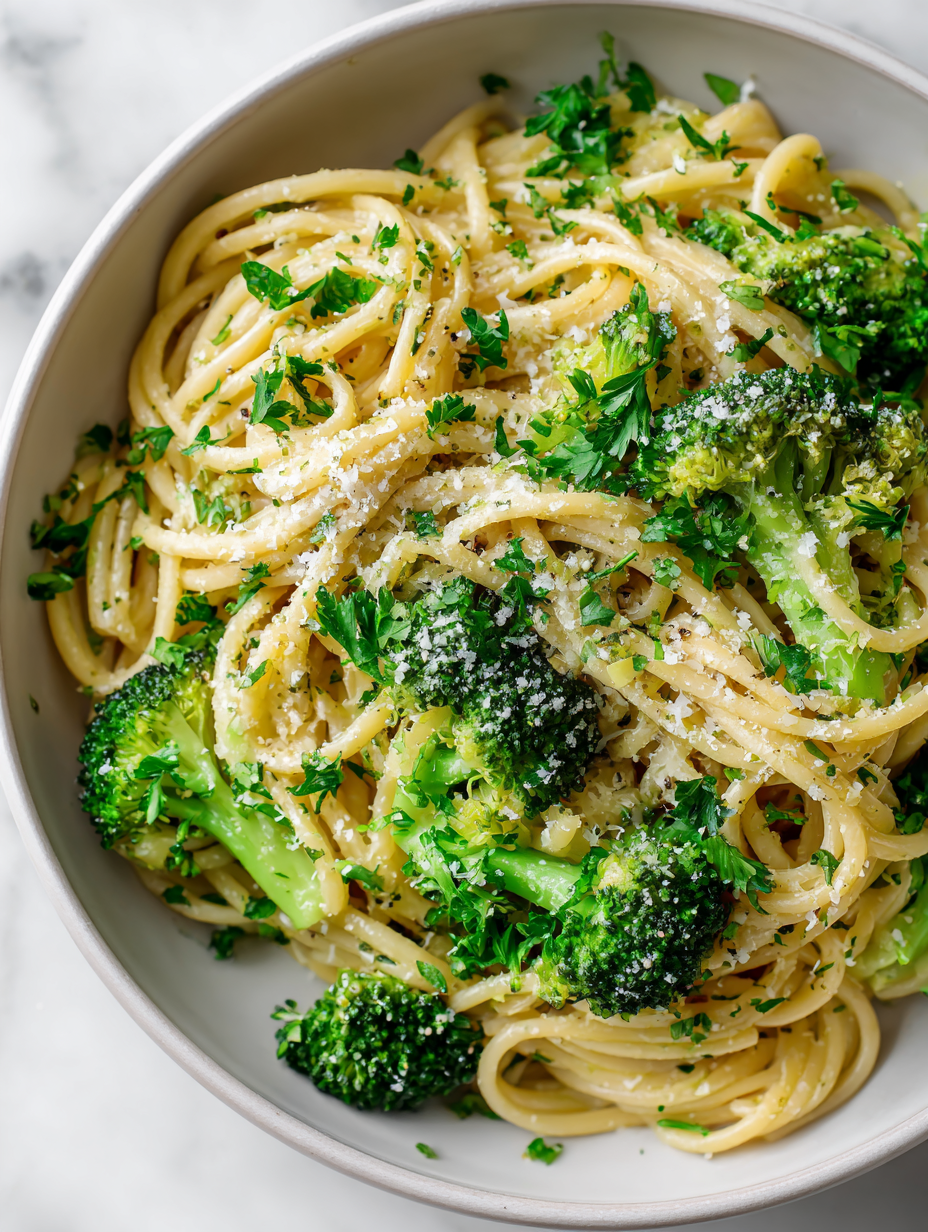
Broccoli Pasta with Garlic and Olive Oil
Ingredients
Equipment
Method
- Bring a large pot of salted water to a rolling boil, tasting like the sea. Add the spaghetti and cook until just al dente, about 8-10 minutes, stirring occasionally. Reserve a cup of pasta water before draining.
- While the pasta cooks, prepare your broccoli by cutting it into small florets. Rinse and set aside.
- Heat the olive oil in a wide skillet over medium heat. Once shimmering, add the sliced garlic and sauté for about 30-45 seconds until fragrant and edges start to turn golden—keep a close eye to prevent burning.
- Add the broccoli florets to the skillet. Cook for 3-4 minutes, stirring occasionally, until they are bright green and slightly charred at the edges. If they turn dull or soggy, lower the heat or remove from the pan.
- Drain the pasta and add it directly to the skillet with the broccoli and garlic. Toss everything together for about a minute, allowing the pasta to soak up the flavors and infused oil.
- If the mixture seems dry, splash in some reserved pasta water, a tablespoon at a time, stirring until the sauce becomes silky and coats all the ingredients evenly.
- Squeeze fresh lemon juice over the pasta, add red pepper flakes if using, and season with salt and freshly cracked black pepper. Toss again to combine.
- Cook for another minute off the heat, then taste and adjust seasoning if needed. The garlic should be crispy and golden, broccoli bright and slightly charred, and pasta coated in a glossy, flavorful sauce.
- Serve immediately, garnished with an extra drizzle of olive oil or lemon zest if desired. Enjoy the crispy garlic edges, smoky broccoli, and perfectly al dente pasta in every bite.
Pro tips for perfect broccoli pasta
- Bolded garlic: Slice thin for quick, even browning and maximum flavor extraction.
- Crispy edges: Let garlic sit undisturbed in hot oil until edges turn golden—avoid stirring too early.
- Broccoli texture: Blanch briefly in salted water before sautéing to keep bright green and crisp-tender.
- Pasta water: Reserve before draining—starchy water helps the sauce cling and balances oil richness.
- Olive oil shimmer: Heat just until the oil shimmers but doesn’t smoke—this preserves flavor and prevents burning.
- Lemon zest: Add at the end for a fresh, aromatic zing that cuts through the oil and broccoli.
- Pan temperature: Keep heat at medium to prevent garlic from burning and broccoli from overcooking.
Common mistakes and how to fix them
- FORGOT to reserve pasta water → Keep a cup before draining for sauce adjustments.
- DUMPED broccoli in boiling water too long → Blanch briefly, then sauté for flavor and texture.
- OVER-TORCHED garlic → Sauté over medium heat, watch for golden edges, not burnt bits.
- MISSED flavor balance → Taste and adjust seasoning at each step for vibrant results.
Quick fixes and pantry swaps
- When garlic burns quickly, splash cold water into the pan to stop the toasting.
- If broccoli turns dull, toss in a squeeze of lemon for a fresh, bright lift.
- Dumped too much pasta water? Add a bit more olive oil to regain silky texture.
- When pasta sticks, toss with a splash of warm water and a pinch of salt to loosen.
- Splash a little vinegar or lemon if the garlic aroma is off or too bitter, to brighten.
Prep, store, and reheat tips
- Prep the broccoli: chop into florets and store in an airtight container in the fridge for up to 2 days. Keeps bright and slightly crisp.
- Cook the pasta ahead: drain and toss with a teaspoon of olive oil to prevent sticking. Refrigerate in a sealed container for up to 1 day.
- Garlic can be sliced in advance and kept in a small container; it’ll stay fragrant but may lose some pungency over time.
- To reheat, warm the pasta and broccoli gently in a skillet over low heat, adding a splash of olive oil or reserved pasta water, until steaming and fragrant—about 3-4 minutes.
- This dish is best enjoyed fresh, but leftovers can last in the fridge for up to 1 day. Reheat carefully to preserve texture and flavor, noticing how garlic edges turn softer and broccoli slightly wilted.
Top questions about broccoli pasta
1. Can I use frozen broccoli?
Yes, using frozen broccoli works fine, just thaw and drain well to avoid excess water in the pan.
2. Can I substitute fresh broccoli with frozen?
Absolutely, just chop it into small pieces and give it a quick rinse to remove any ice crystals.
3. Can I use a different oil?
Yes, you can swap olive oil for avocado oil for a milder flavor, but it might lack some peppery notes.
4. Can I use another pasta type?
If you don’t have spaghetti, any long pasta like linguine or fettuccine will do, just adjust cooking time.
5. Can I leave out the chili flakes?
Adding red pepper flakes gives a gentle heat, but you can omit them or replace with a dash of smoked paprika for smoky flavor.
6. Can I skip the lemon?
Yes, lemon juice brightens the dish; lime or a splash of vinegar works as a good alternative for acidity.
7. How do I avoid burning garlic?
Overcooking garlic makes it bitter. Sauté over medium heat just until fragrant and edges are golden, then remove promptly.
8. Can I make it dairy-free?
Yes, adding a sprinkle of Parmesan or Pecorino at the end enhances flavor, but it’s delicious even without cheese.
9. How do I store and reheat leftovers?
Storing leftovers in an airtight container in the fridge for up to 1 day is best. Reheat gently on the stove with a splash of water or oil.
10. How do I get crispy garlic?
For a crispier garlic, cook it until edges turn golden, but keep a close eye so it doesn’t burn and turn bitter.
This dish might seem simple, but it’s a reminder that straightforward ingredients can create something truly satisfying. I find myself coming back to it when I want honest flavor without fuss, especially in busy weeks or when I need a comforting moment in the kitchen.
And honestly, the best part is how versatile it feels—adding a sprinkle of cheese, a squeeze of lemon, or even a dash of chili flakes can totally change the vibe. It’s one of those recipes that’s always ready to adapt to whatever you have on hand, making it a true kitchen companion.

Hello, I’m Oliver James, the person behind Melting Into Flavors. Cooking is my greatest passion, and it’s been the driving force in my life for as long as I can remember.
It’s not just about food for me; it’s about creating experiences, connecting with others, and sharing the love I have for what’s on the plate. Through this blog and my café, I’m able to share my journey with all of you and hopefully inspire some of your own culinary adventures along the way.